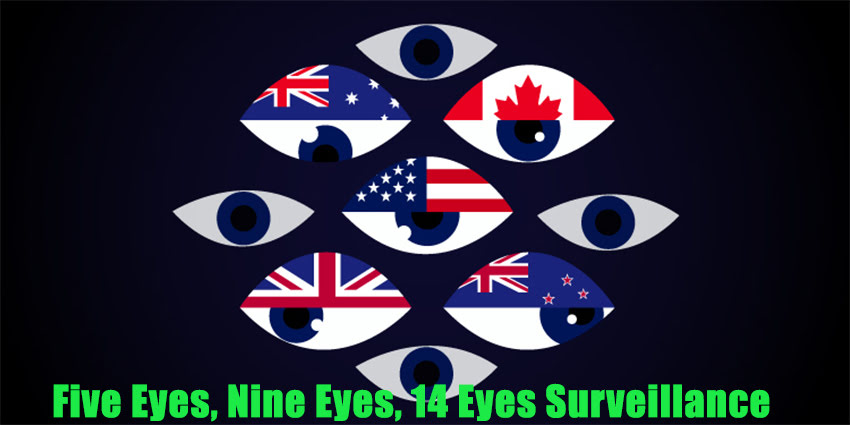
Five Eyes, Nine Eyes, 14 Eyes Surveillance: Privacy these days feels like chasing smoke—everywhere it’s talked about, but just when it seems within reach, it slips through fingers. Names like Five Eyes, Nine Eyes, or Fourteen Eyes start popping up in late-night Reddit spirals or those mild panic attacks about “how much do they really know about me?” It’s the kind of thing that sounds like a spy movie, except it’s painfully real: countries quietly swapping surveillance data, little pieces of lives ping-ponging across continents with every click, every search, every stupid cat video watched. It’s fascinating, sure, but also deeply unsettling—makes the idea of logging off feel like a tiny, rebellious act, even knowing somewhere an agency might be analyzing that too.
What Are the Five Eyes, Nine Eyes, and Fourteen Eyes Alliances?
Privacy these days feels like sand slipping through your fingers—some people fling their lives online like party confetti, while others treat every little detail like it’s gold hidden under the floorboards. But zoom out a bit, and it’s wild how much of this digital stuff is basically a giant surveillance playground. Every chat, online purchase, or dumb comment in a heated thread leaves a trail, and somewhere, some algorithm—or worse, a human—is probably tracking it. Governments swapping data behind the scenes make it even creepier, turning casual scrolling into a tiny act under watchful eyes.
Privacy Alert! Your data is exposed to the websites you visit! The information above can be used to track you, target you for ads, and monitor what you do online. We recommend ExpressVPN — the #1 VPN out of over 350 providers we've tested. It has military-grade encryption and privacy features that will ensure your digital security, plus — it's currently offering 48% off. Your IP Address: Loading...
 Your Location: Loading...
 Your Internet Provider: Loading...
Five Eyes Alliance
Origins and Background
The Five Eyes didn’t just appear overnight—it grew out of the messy, tense aftermath of World War II, when the U.K. and U.S. thought, “Hey, let’s spy together,” under this thing called the UKUSA Agreement. At first, it was a kind of nerdy but seriously potent handshake between the NSA and GCHQ, a quiet pact that already had world-shaping potential. Then Canada, Australia, and New Zealand got dragged in, each one adding their own slice of the globe to the mix, and suddenly it wasn’t just a two-country arrangement—it was this sprawling, almost alive network of intelligence. The scale of it is equal parts genius and slightly unsettling, like a living organism that silently nudges how nations see, think, and sometimes even manipulate the world.
What Do the Five Eyes Agencies Actually Do?
While it’s nearly impossible to know the full extent of what these intelligence agencies do—given their secretive nature—we do know that their core mission involves global surveillance and intelligence gathering. In fact, the Five Eyes alliance wasn’t even officially acknowledged by any government until 1999. That said, over time, leaks and whistleblower revelations have shed some light on their operations. In simple terms, these agencies spy on other nations using a variety of tools and technologies.
As part of their agreement, each member country is responsible for surveillance in specific regions:
- USA – Middle East, Russia, China, and Africa
- UK – Europe and the Middle East
- New Zealand – Western Pacific
- Australia – South and East Asia
- Canada – Russia and Latin America
Privacy protection and transparency
Best overall VPN with a free trial
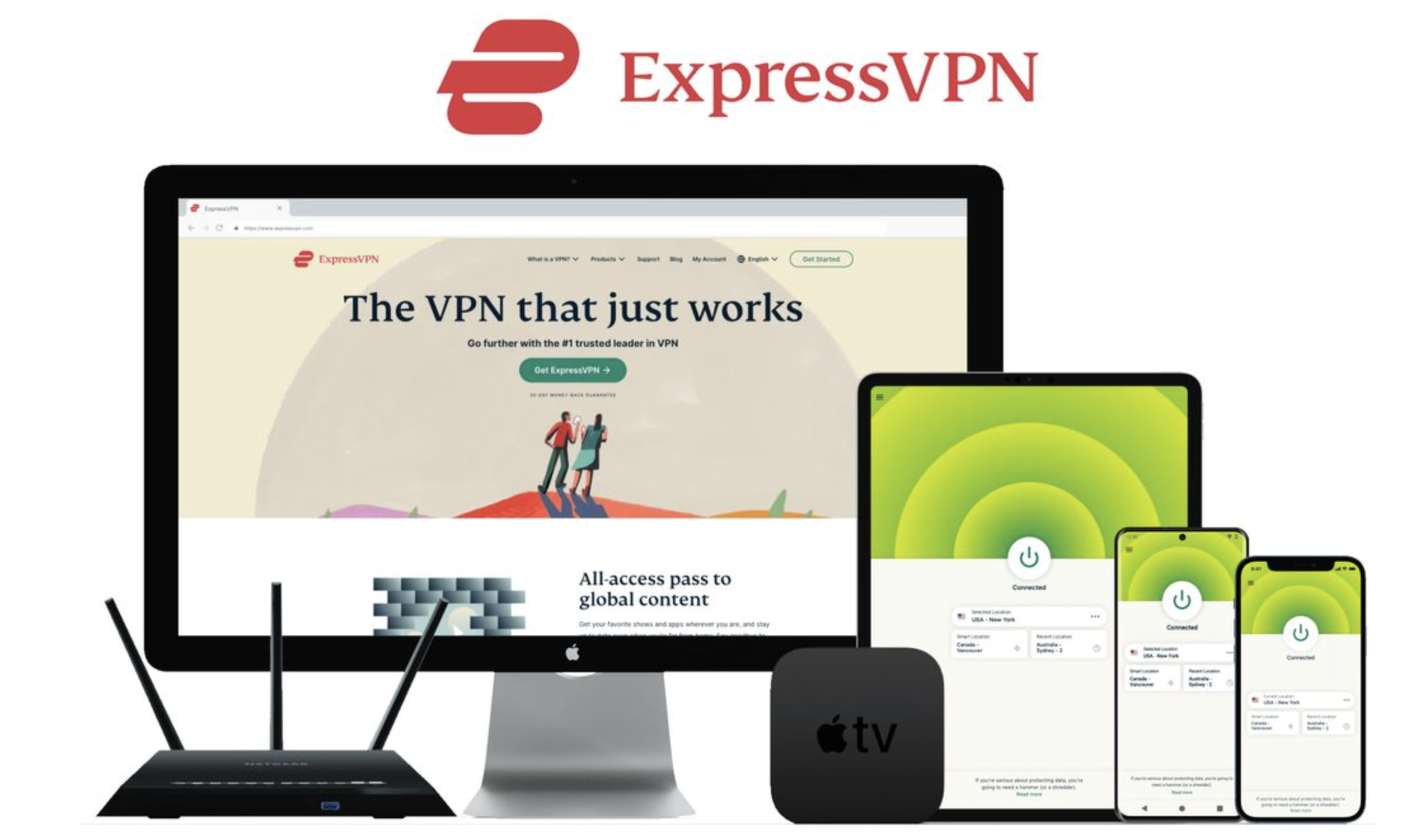
ExpressVPN

Major Surveillance Programs of the Five Eyes Alliance
Here are some of the key programs known to be used by the alliance:
ECHELON
ECHELON, this shadowy beast run by the NSA, isn’t some sci-fi fantasy—it’s a real, globe-spanning surveillance system that quietly sifts through emails, texts, and phone calls, hunting for keywords that might scream “threat.” First tipped off to the world by Perry Fellwock back in ’72, and later confirmed in the Snowden revelations, it’s basically a giant electronic net cast over everyone’s digital life.
TEMPORA
Developed and operated by the UK’s GCHQ, TEMPORA is similar to ECHELON but focuses on internet surveillance. It taps into fiber-optic cables to intercept online data such as emails, social media activity, and browsing history. TEMPORA also uses keyword detection to flag suspicious content. Like ECHELON, it was brought into public view by Snowden’s 2013 revelations.
XKEYSCORE
XKEYSCORE, another beast exposed by Snowden, is basically the NSA’s ultimate digital magnifying glass—it can track emails, chats, browsing habits, and even your GPS location if it wants to. Unlike ECHELON or TEMPORA, it doesn’t just peek around the edges; it can monitor almost anyone, anywhere, which is as impressive as it is creepy. The NSA insists it’s only for national security and that access is tightly controlled, but somehow knowing that doesn’t make the idea of being watched any less unsettling. These tools are sold as shields for safety, yet they skirt dangerously close to stepping on privacy, raising real questions about overreach and the casual ease of spying on ordinary people without their consent.
Nine Eyes Alliance
The Nine Eyes Alliance is basically the Five Eyes network with four extra seats at the table—Denmark, France, Norway, and the Netherlands—expanding the reach but not exactly the trust. The original five—US, UK, Canada, Australia, and New Zealand—share intelligence like it’s gossip at a family dinner, working in tight sync, while the newcomers get snippets and a lot less influence. And just to make things messy, being in the same club doesn’t stop them from sneaking peeks at each other; France and the US, for example, have spied on each other despite the “alliance” label. It’s a mix of cooperation, hierarchy, and underlying suspicion, which somehow makes the whole setup feel equal parts strategic brilliance and slightly absurd.
Fourteen Eyes Alliance
The Fourteen Eyes alliance cranks the “let’s add more countries” idea up a notch with Belgium, Italy, Germany, Spain, and Sweden, but don’t be fooled—these outer-circle members play by their own rules. Sharing is hit-or-miss, mostly happening when it suits their own interests, and compared to the tight Five or the semi-loyal Nine Eyes, it feels more like a polite nod across the table than a real team. On paper, it looks impressive, but underneath there’s this quiet self-interest and careful distance, a reminder that alliances are often just convenient arrangements dressed up as cooperation.
How Do the 5, 9, and 14 Eyes Alliances Impact Your Digital Privacy?
It’s wild—and honestly kind of stomach-churning—to think that somewhere, someone could be sifting through every email, text, and cat meme without so much as a “hey, are you okay with this?” Thanks to whistleblowers like Edward Snowden, it’s clear that mass surveillance isn’t some paranoid fantasy; it’s very real, and rules about “ethics” and “guidelines” often blur the second convenience calls. People like to toss around that tired “if you’ve got nothing to hide” line, but that’s missing the whole point—privacy isn’t about hiding skeletons in the closet, it’s about the fundamental freedom not to have a stranger peering into every corner of life. The more one thinks about it, the more it feels like living in a fishbowl, and pretending it’s fine just because “they’re following the rules” feels, well… naive at best and a little depressing at worst.
Even beyond governments, private corporations gather vast amounts of data:
- Amazon knows your shopping habits
- Facebook knows your personal details, connections, and interests
- Navigation apps track your location history
Issues with the 5 Eyes, 9 Eyes, and 14 Eyes Alliances
Before Edward Snowden blew the whistle, a lot of people genuinely believed government spy agencies were just there to keep everyone safe. Then the rug got pulled out from under that trust, and suddenly it’s hard not to wonder if those same agencies are watching the very citizens they’re supposed to protect—and whether any of it even follows real rules. The scary part? There’s almost no outside body keeping tabs on them, which makes the whole thing feel like giving a toddler the keys to a Ferrari. Then there’s the Five Eyes alliance—basically the ultimate “club” of English-speaking, majority-white countries hoarding the best surveillance tech on the planet. No one else comes close, which means the US and UK aren’t just playing the game—they’re running it, calling the shots, and quietly making everyone else follow along. It’s this weird mix of absurd power and secrecy that feels both unfair and inevitable, and thinking about it too long makes the world seem a lot smaller than anyone really signed up for.
Best VPN For Streaming Safely
1. ExpressVPN — Best VPN With the Fastest Speeds for Smooth Streaming

Best Feature
The fastest speeds we tested, ensuring you can stream, browse, game, and torrent without interruptions
Server Network
3,000 servers in 105 countries give you fast worldwide connections
Simultaneous Device Connections
Up to 8, so you can protect your compatible devices under one subscription
Works With
Netflix, Disney+, Amazon Prime Video, BBC iPlayer, (HBO) Max, Hulu, Vudu, DAZN, and more
2. NordVPN — Best VPN With the Fastest Speeds for Smooth Streaming
Best Feature
High security features and fast speeds for a reliable connection
Server Network
5,400 servers in 60 countries for improved accessibility and connection speeds
Simultaneous Device Connections
Up to 6 devices, suitable for protecting multiple devices simultaneously
Works With
Netflix, Disney+, Amazon Prime Video, BBC iPlayer, (HBO) Max, Hulu, Vudu, DAZN, and more


How to Protect Yourself from Global Surveillance
Whether or not governments are actively monitoring citizens can be debated, but what’s undeniable is that they possess the tools and infrastructure to do so. While it may not be possible to completely avoid surveillance, there are practical steps you can take to minimize your exposure and enhance your digital privacy.
Change the Way You Think About Privacy
One of the biggest challenges in digital privacy is the widespread belief that “if you have nothing to hide, you have nothing to fear.” This mindset is problematic because it assumes that data will always be used ethically. However, you have no control over how your data is collected, interpreted, or shared—especially when it falls into the hands of powerful institutions or third parties. Start by valuing your privacy, not because you’re hiding something, but because it’s a basic right that deserves protection.
Reduce Reliance on Smart Devices
From smart TVs and virtual assistants to fitness trackers and security systems, our homes are filled with devices that constantly gather and transmit data. The more you rely on smart tech, the more digital footprints you leave behind. Governments—particularly those in alliances like the Five Eyes—can access this kind of data through legal or covert channels. To limit exposure, consider minimizing the number of smart devices you use, or limit the amount of data they can collect by adjusting privacy settings and disconnecting unnecessary features.
Use a VPN to Stay Private Online
Since most surveillance happens over the internet, one of the most effective defenses is a Virtual Private Network (VPN). A VPN hides your IP address, encrypts your internet traffic, and prevents your ISP (and potentially your government) from tracking your online activities. This creates a private tunnel for your data, shielding you from most common surveillance tactics.
To make your VPN choice more effective:
- Select a VPN with servers located outside of the 14 Eyes countries to reduce the risk of data being accessed by surveillance-friendly governments.
- Opt for a VPN headquartered in a country with strong privacy laws and outside of intelligence-sharing alliances.
- Avoid free VPN services, as many have questionable privacy policies and may log your data.
- Research your country’s laws regarding VPN use to ensure you’re staying within legal boundaries.
How the 5 Eyes, 9 Eyes, and 14 Eyes Alliances Impact VPN Usage
The 5 Eyes, 9 Eyes, and 14 Eyes agreements are global intelligence-sharing alliances. If any one country within the 14 Eyes group collects your online data, that information can be shared freely among other member nations. This raises serious privacy concerns—especially for those who rely on VPNs to protect their online activity. Many VPN users assume they’re completely anonymous, but not all VPNs are created equal, especially when they’re headquartered in surveillance-heavy countries. If a VPN provider operates within one of these countries, it may be legally compelled to hand over user data if requested by government authorities, depending on national privacy laws.
To ensure your VPN truly protects your privacy, consider the following four critical factors:
1. Your Physical Location
First thing, know the privacy rules where you live—because if it’s one of the 14 Eyes countries, and especially the notorious 5 (USA, UK, Canada, Australia, New Zealand), the chances of being watched are annoyingly high. These places have a long, messy history of surveillance, so using a VPN that actually keeps zero logs and packs strong encryption isn’t just smart—it’s survival 101. Anything weaker is basically waving your data at the snoops and hoping for the best.
2. The VPN Provider’s Home Base
Before trusting a VPN, check where it’s actually registered—being based in a 14 Eyes country, especially one of the core 5, is basically handing a backdoor key to intelligence agencies. Legal orders could force even the “no-logs” claim to vanish into thin air. The smart move? Stick with providers headquartered somewhere outside that snoopy club, in a place with real privacy laws and zero data retention, so at least the company can’t accidentally—or willingly—spill your secrets.
3. Server Location Choices
Even if a VPN company claims it’s in a privacy-friendly country, where its servers actually sit can make or break your safety. Stick your connection on a server in a 14 Eyes nation, and suddenly local authorities could legally peek at—or demand—whatever’s passing through. It’s like hiding in a “safe” house that just happens to have a window facing the cops’ office. If the goal is to dodge international surveillance squads, picking servers outside those jurisdictions isn’t paranoia—it’s just common sense.
4. VPN Logging Policies
Picking a VPN isn’t just clicking “subscribe” and hoping for the best—it’s like choosing who gets to peek over your shoulder 24/7, and that tiny “no-logs” claim can be a trap. A truly private VPN doesn’t keep a scrap of info—no IPs, no browsing history, nothing—but a lot of so-called “zero-log” services still quietly track connection times or device fingerprints, basically whispering, “trust me” while holding receipts behind their backs. The only way to feel even halfway safe is to go for ones that have been independently audited or stood firm in court when authorities came knocking—anything less is just marketing fluff. In a world where intelligence agencies seem to be playing tag with everyone’s data, reading between the lines of a VPN’s legal, technical, and ethical guts isn’t optional—it’s survival, or at least trying to survive the endless digital nosiness without selling your soul.
VPN Jurisdiction in the 14 Eyes Countries
The table below summarizes the legality of VPNs in the 14 Eyes countries, along with some well-known VPN providers headquartered in each nation:
| Country | Alliance | VPN Providers | VPN Usage |
|---|---|---|---|
| United States | Five Eyes, Nine Eyes, 14 Eyes | IPVanish, Hide My IP, Hotspot Shield, Private Internet Access (PIA), Private Tunnel, TorGuard, StrongVPN, Touch VPN, SecureVPN, Norton Wifi Privacy, Speedify, VPN Unlimited, SwitchVPN, Ace VPN | Legal |
| United Kingdom | Five Eyes, Nine Eyes, 14 Eyes | SaferVPN, HideMyAss | Legal |
| Canada | Five Eyes, Nine Eyes, 14 Eyes | WindScribe, TunnelBear, Betternet, BTGuard VPN, SurfEasy | Legal |
| Australia | Five Eyes, Nine Eyes, 14 Eyes | Celo VPN, VPNSecure.me | Legal |
| New Zealand | Five Eyes, Nine Eyes, 14 Eyes | – | Legal |
| Denmark | Nine Eyes, 14 Eyes | – | Legal |
| France | Nine Eyes, 14 Eyes | – | Legal |
| Norway | Nine Eyes, 14 Eyes | Opera VPN | Legal |
| Netherlands | Nine Eyes, 14 Eyes | Goose VPN | Legal |
| Belgium | 14 Eyes | – | Legal |
| Italy | 14 Eyes | AirVPN | Legal |
| Germany | 14 Eyes | Zenmate, Avira Phantom | Legal |
| Spain | 14 Eyes | – | Legal |
| Sweden | 14 Eyes | PrivateVPN, Mullvad, AzireVPN, FrootVPN | Legal |
Best VPNs Outside the 14 Eyes Jurisdiction
Here are three top-tier VPN providers located outside the 14 Eyes alliance, making them ideal for users who prioritize privacy and online anonymity:
1. ExpressVPN
ExpressVPN is widely regarded as one of the most reliable VPN services on the market. Here’s why:
- Privacy-First HQ: Based in the British Virgin Islands, far from the 14 Eyes crowd—basically a safe haven for anyone who doesn’t want Big Brother lurking over their shoulder.
- Ridiculously Fast Connections: Global servers that actually deliver—streaming, gaming, or late-night YouTube spirals without turning into a buffering nightmare.
- Rock-Solid Security: Military-grade encryption that locks down data so tight it’s basically untouchable.
- Zero Logs, Zero Drama: Doesn’t track, store, or snoop on your online antics—finally, some peace of mind.
- Huge Server Playground: Over 3,000 servers in 160 spots around the world, so there’s always a smooth, reliable connection waiting.
- Connect All the Things: Up to 8 devices at once—laptop, phone, tablet, or even the cat’s smart feeder if that’s your vibe.
- Try Without Worry: 30-day money-back guarantee if it doesn’t live up to the hype—no awkward “oops, should’ve read the fine print” moments.
2. Surfshark
Surfshark is a budget-friendly yet powerful VPN with impressive features:
- Privacy-Friendly Base: Based in the British Virgin Islands, completely free from pesky data retention laws—so your info isn’t being logged just because someone decided it should be.
- Solid Server Network: Over 1,000 servers in 61 countries, which is more than enough to dodge slowdowns and pretend you’re somewhere else.
- Double Protection: MultiHop mode bounces traffic through two servers for that extra “nobody’s touching this” peace of mind.
- Ad & Malware Blocker: CleanWeb feature keeps annoying ads, trackers, and sketchy sites out of your digital life.
- Reasonable Pricing: Long-term plans won’t make the wallet cry, which is a pleasant surprise these days.
- Reliable Speeds: Streaming, browsing, downloading—it just works without the usual frustrating hiccups.
3. CyberGhost
CyberGhost is a long-established VPN service with a strong reputation for privacy:
- Safe Base: Hails from Romania, comfortably outside the watchful eyes of the 14 Eyes alliance—instant bonus for privacy nerds.
- Serious Encryption: Uses advanced standards to keep online activity locked down tight, no sneaky eavesdroppers allowed.
- Massive Server Network: 6,000+ servers spread across 89 countries—so there’s always a nearby gateway that actually works.
- Consistent Speeds: Stable connections that don’t make streaming or downloads feel like a gamble.
- Independent & Experienced: Running solo since 2001—long before VPNs were a trendy thing, not some startup fad.
- Risk-Free Test: 24-hour free trial with zero credit card hassle. Try it, poke around, and see if it actually delivers.
These VPNs are ideal for avoiding surveillance risks associated with the 5/9/14 Eyes countries and offer excellent privacy, security, and value.
Best VPN deals this week:

Our Top Pick: ExpressVPN – A Leading VPN for Privacy and Security
When choosing a reliable VPN service, we highly recommend ExpressVPN. Let’s explore some of the key features that make it stand out as a premium VPN provider.
| Feature | Details |
|---|---|
| Jurisdiction | British Virgin Islands |
| Servers | 3,000+ |
| Money-back Guarantee | 30 Days |
| Supported Apps | Windows, Mac, iOS, Android, Linux, Fire TV |
| Compatible With | Kodi, Torrenting, Netflix, Amazon Prime Video, Hulu, BBC iPlayer, Sky, HBO |
Pros
- Servers Everywhere: Over 105 countries, so wherever you are—or want to pretend you are—the VPN’s got you covered.
- Ridiculously Fast: Streams, downloads, gaming—barely a hiccup. Seriously, buffering feels like a bad memory.
- Zero Logs, Zero Worries: Keeps nothing about your browsing. Total digital invisibility cloak.
- Military-Grade Security: 256-bit encryption that feels like Fort Knox for your data.
- No Streaming Hassles: Watch whatever, whenever—Netflix, BBC iPlayer, it doesn’t play favorites.
- Unlimited Bandwidth: No throttling, no “oops, you used too much”—just go.
- Network Lock (Kill Switch): Cuts your connection if anything goes sideways. Peace of mind built-in.
- Torrent-Friendly: Safe for P2P, so those downloads don’t feel like Russian roulette.
- Apps That Just Work: Windows, Mac, Android, iOS—dedicated apps that don’t make you fight them.
- Multiple Devices: Connect 8 gadgets at once. Family, friends, cat’s smart feeder—everyone’s included.
- Support That Actually Helps: 24/7 live chat and email that actually responds quickly.
- Privacy-Friendly Payments: Accepts Bitcoin because why make things easy to track?
- No-Risk Trial: 30-day money-back guarantee if it somehow doesn’t blow your mind.
Cons
-
No free trial available
Why ExpressVPN is Our Top Choice
- Privacy-Friendly Base: ExpressVPN calls the British Virgin Islands home, so it’s happily chilling far away from the prying eyes of the 14 Eyes countries. That’s peace of mind that actually feels real.
- Zero Activity Logs: Forget worrying about your browsing history or real IP leaking—ExpressVPN doesn’t keep any logs. Total anonymity, no awkward questions later.
- Speed That Actually Feels Fast: With over 3,000 servers in 160 locations across 94 countries, buffering is basically a myth. It’s one of those rare VPNs that doesn’t make you want to throw your laptop.
- Support That Actually Answers: 24/7 live chat, email, tickets—you name it. Tried it personally and got a reply in 2 minutes. Yes, two minutes. Felt almost magical.
- Works Everywhere: Windows, Mac, Linux, iOS, Android, routers… basically if it connects to the internet, it works. No awkward compatibility headaches.
- Flexible Pricing: Whether monthly or yearly, the plans are surprisingly reasonable, often with nice discounts thrown in. Doesn’t make your wallet cry.
Final Thoughts
Best VPNs for Streaming — Final Score:
Rank
Provider
Overall Score
Best Deal

9.8
★★★★★
save 84%
VISIT WEBSITE >
9.6
★★★★★
save 83%
VISIT WEBSITE >

9.4
★★★★★
save 84%
VISIT WEBSITE >