CyberGhost VPN Review: CyberGhost has been quietly building its reputation for over 13 years out of Romania, and it shows—this VPN works across everything from FireStick to Mac, iOS, Android, and PC, making online privacy feel less like a headache and more like a well-oiled gadget setup. Beyond just hiding IPs, it throws in options like antivirus and dedicated IPs if extra peace of mind is your thing. Its global server network covers streaming, torrenting, gaming, and random late-night shopping sprees, with specialized servers making sure nothing chokes along the way. Windows users even get a Security Suite that bundles VPN protection, antivirus, and an app updater, which somehow feels like having a tiny IT department quietly watching over your digital life without judgment.
Privacy Alert! Your data is exposed to the websites you visit! The information above can be used to track you, target you for ads, and monitor what you do online. We recommend ExpressVPN — the #1 VPN out of over 350 providers we've tested. It has military-grade encryption and privacy features that will ensure your digital security, plus — it's currently offering 48% off. Your IP Address: Loading...
 Your Location: Loading...
 Your Internet Provider: Loading...
CyberGhost VPN Review Can This VPN be Trusted
CyberGhost sticks to a strict no-logs policy backed by Romania’s privacy-friendly laws, so on paper, your data is off-limits. That said, some people can’t shake the fact that Kape Technologies, which has a sketchy adware history, bought CyberGhost in 2017, leaving a tiny nagging doubt in the back of the brain. Like any VPN, it’s not perfect—there are wins and compromises—but the goal here is to give a clear, no-fluff picture so you can weigh the trade-offs and see if it actually fits your online life.
CyberGhost VPN Features (2026 Update)
Here’s an overview of some of the most important features CyberGhost VPN offers in 2026:
Support for 3 Leading VPN Protocols: OpenVPN, IKEv2, and WireGuard
CyberGhost supports three of the most widely used and trusted VPN protocols—OpenVPN, IKEv2, and WireGuard—each offering a unique balance of speed, security, and compatibility.
- OpenVPN – The old-school tank. Rock-solid, battle-tested, and a little stubborn in the best way. When security really matters, this is the one that feels like locking the door twice before bed. Not flashy. Not trendy. Just dependable—like that friend who still uses a wired mouse because “it just works.”
- IKEv2 – Quick on its feet. It reconnects so fast on mobile that it barely feels like anything dropped. Perfect for people bouncing between Wi-Fi and data all day. It’s not dramatic about it either—just quietly smooth and efficient.
- WireGuard – The new kid with serious brains. Lean code, crazy speed, and encryption that doesn’t mess around. It feels modern because it is modern. Clean, minimal, almost elegant. For anyone who wants performance without sacrificing security, this one hits that sweet spot. Fast, sharp, no unnecessary fluff.
You can manually select your preferred protocol, although the CyberGhost app assigns one by default based on your device and usage.
Advanced Encryption, Split Tunneling & App Protection
CyberGhost goes beyond just basic VPN functionality by including features like split tunneling and app protection, enhancing both security and flexibility.
- Split Tunneling – Basically, it lets you decide what goes through the VPN and what doesn’t. Want to binge a show through the VPN but casually scroll or shop on Amazon with your regular connection? Done. It’s control without the headache. Not everything needs to be wrapped in digital armor 24/7—sometimes it’s nice to pick and choose.
Small catch: right now, it’s only available on Windows and Android. So if you’re on macOS or iOS, yeah… that stings a little. - App Protection (by CyberGhost) – This one’s for the “set it and forget it” crowd. You choose specific apps—like banking or streaming—and the VPN automatically kicks in the moment they open. No scrambling to turn it on. No “wait, was that secure?” panic five minutes later. It just quietly does its job in the background, like a digital bodyguard that doesn’t need applause.
These features work across various platforms and enhance the user’s control over their online privacy and data encryption. Let me know if you want this expanded into a feature-by-feature comparison with other VPNs or a visual breakdown!
Speed Performance: How Fast Is CyberGhost VPN in 2026?
Let’s be real—speed is the dealbreaker with any VPN, and this is where CyberGhost actually earns its hype. No one signs up to watch a buffering wheel spin like it’s some kind of minimalist art project, or to lose a game because of random lag. That’s just tragic. Thankfully, the service leans on modern protocols and sturdy infrastructure, so streaming stays smooth, gaming feels responsive, torrenting doesn’t crawl, and even late-night scrolling runs without that “is this thing on?” frustration. It doesn’t drag your connection down or make privacy feel like a trade-off. It’s fast but responsible—like flooring the gas pedal while still checking the mirrors.
WireGuard Delivers the Best Speeds
CyberGhost supports multiple VPN protocols, but WireGuard stood out as the fastest in our speed tests. We ran tests using a 10 Mbps internet connection on a Windows 10 system via Speedtest by Ookla, targeting five global server locations. Here’s a snapshot of the results:
| Server Location | Download Speed | Upload Speed | Ping |
|---|---|---|---|
| United States | 5.99 Mbps | 4.63 Mbps | 248 ms |
| United Kingdom | 7.25 Mbps | 7.03 Mbps | 168 ms |
| Australia | 6.91 Mbps | 5.95 Mbps | 409 ms |
| Canada | 6.10 Mbps | 6.34 Mbps | 253 ms |
| Germany | 6.94 Mbps | 6.71 Mbps | 175 ms |
CyberGhost’s Optimized Servers: Tailored for Your Needs
What makes CyberGhost genuinely stand out is how intentional its optimized servers feel. They’re not decorative tags meant to pad a feature list—they’re actually calibrated for real-life use cases like streaming, torrenting, or gaming. That means less second-guessing before pressing play and fewer mid-game ping spikes that test patience.
Streaming-Optimized Servers
CyberGhost is an excellent choice for streaming fans. It offers specialized servers for platforms like Netflix, Amazon Prime Video, HBO Max, Disney+, and more. Each server is fine-tuned to deliver smooth video playback, reduce buffering, and help bypass geo-restrictions. Whether you’re traveling abroad or simply want to unlock content from a different region, these servers offer fast and stable connections ideal for HD and 4K streaming.
Optimized vs. Regular Servers: What’s the Difference?
Testing out CyberGhost, the regular servers did exactly what they’re supposed to—fine for scrolling through socials or binge-watching a few episodes—but the optimized ones? Total game-changer. Jumping onto a gaming-optimized server felt like flipping a switch: lag evaporated, ping dropped, and those frantic online battles suddenly stopped feeling like a personal vendetta against slow internet. Standard servers get the job done for everyday browsing, but when it comes to streaming geo-blocked shows, torrenting without the stress, or actually enjoying real-time gaming, the optimized servers are worth that tiny extra effort—they just make everything feel sharper, smoother, and somehow… faster in a way that makes a difference.
Virtual Servers: Extra Privacy Through Geo-Located Routing
Virtual servers are basically VPN servers playing dress-up—they show up as if they’re in one country while actually hanging out somewhere else. Think of getting an Australian IP while the server sips coffee in New Zealand. It’s a clever little privacy hack, especially for dodging the prying eyes of countries in intelligence-sharing clubs like the 14 Eyes. Unlike physical servers, they’re not chained by local laws, which makes them feel like a stealthy sidekick for anyone who actually cares about keeping their digital footprint under wraps.
CyberGhost includes several virtual server locations to help users bypass regional restrictions while maintaining strong privacy standards. These include:
- Rabat, Morocco – Technically routed through Spain. So it looks local, but the traffic takes a little European detour first. Not dramatic—just geography doing its thing.
- Algiers, Algeria – Also via Spain. Close enough on the map, just with a small scenic route behind the scenes.
- Nassau, Bahamas – Runs through the United States. Island vibes on the surface, mainland backbone underneath.
- Nicosia, Cyprus – Routed via Romania. A bit of Balkan muscle supporting that Mediterranean endpoint.
- Cairo, Egypt – Also through Romania. Ancient city, modern workaround.
- Tehran, Iran – Routed via the United Arab Emirates. Regional neighbor stepping in quietly.
- Jakarta, Indonesia – Runs through Singapore. Southeast Asia’s tech hub doing what it does best.
- Mumbai, India – Also via Singapore. A little cross-border assist for stability.
- Kuala Lumpur, Malaysia – Again through Singapore. Efficient, predictable, no surprises.
- Lagos, Nigeria – Routed via Spain. West Africa on the front end, Europe powering it behind the curtain.
These servers are strategically located to deliver regional IPs while hosting the physical servers in privacy-friendly jurisdictions.
CyberGhost VPN Apps: Broad Device Compatibility
These days, internet life isn’t just on a laptop—it’s on phones, TVs, consoles, and whatever gadget comes next, so having a VPN that actually fits each device is a relief. CyberGhost nails it with apps optimized for all sorts of tech, making protection feel seamless rather than a chore. On top of that, it throws in extra toys—a private browser, secret photo vault, privacy guard, and NoSpy servers—so it’s not just about hiding online, it’s about actually feeling safe while doing everything from streaming cat videos to dodging sketchy links.
CyberGhost supports the following platforms:
- Windows
- Mac
- iOS
- Android
- Linux
- Routers
- Smart TVs
- Apple TV
- Amazon Fire TV Stick
- Android TV
- PlayStation
- Nintendo Switch
- Xbox
- Chrome browser (extension)
- Firefox browser (extension)
Whether you’re streaming on your smart TV, gaming on your console, or browsing securely on your laptop or phone, CyberGhost ensures you’re covered across all your devices.
Transparency Reports Demonstrate CyberGhost’s Commitment to Privacy
CyberGhost calls Bucharest home, a place where strict data protection laws actually back up its no-logs promise, which already feels like a rare act of honesty these days. Its servers run purely on RAM, so nothing ever sticks around physically—a neat little trick that makes privacy feel tangible. Deloitte even gave it a stamp of approval in 2022, confirming that no user data is collected or shared. And if it turns out this digital fortress isn’t your vibe, there’s a generous 45-day money-back safety net, because apparently they trust you almost as much as they trust their own encryption.
Blocking Malware, Trackers, and Ads
One of the key benefits of using a VPN is an improved, hassle-free online experience free from intrusive ads, trackers, and malware. CyberGhost’s Content Blocker effectively blocks malicious links, annoying ads, and tracking attempts, helping protect your privacy while you browse or stream.
Leak Protection and Kill Switch
CyberGhost comes with a kill switch that’s basically a safety net for when the internet decides to act up. If the connection drops or a server switch goes sideways, it slams the brakes on your internet instantly, making sure your real IP never slips out. It’s one of those quiet, behind-the-scenes features that doesn’t feel glamorous but quietly saves you from digital embarrassment — or worse, a data leak you didn’t even notice happening.
Military-Grade Encryption for Top-Notch Security
CyberGhost employs 256-bit military-grade encryption, the highest standard available, to safeguard your data. This encryption transforms your data into unreadable text, protecting it from interception by hackers or surveillance agencies. The VPN server acts as a secure tunnel with an added firewall, offering double-layered protection even if the firewall is breached.
Simultaneous Connections: Protect Multiple Devices
Reliable Customer Support
Torrenting with CyberGhost
CyberGhost actually feels built with torrenting in mind, not as an afterthought it slapped on later. It runs dedicated P2P‑optimized servers in countries that are a bit more relaxed about torrenting laws, which already takes some of the anxiety out of the whole thing. They play nicely with familiar clients like uTorrent and BitTorrent, and the speeds hold up — downloads don’t crawl, uploads don’t feel throttled into oblivion.
Here are some speed test results on a 10Mbps connection:
| Server Location | Download Speed | Upload Speed | Ping |
|---|---|---|---|
| United States | 6.07 Mbps | 8.41 Mbps | 237 ms |
| United Kingdom | 6.16 Mbps | 8.15 Mbps | 171 ms |
| Germany | 7.28 Mbps | 7.69 Mbps | 171 ms |
| Canada | 4.13 Mbps | 8.15 Mbps | 247 ms |
| Australia | 6.81 Mbps | 7.21 Mbps | 450 ms |
NoSpy Servers: Enhanced Security on Private Servers
When it comes to dialing privacy up a notch, CyberGhost keeps its NoSpy servers as a kind of VIP perk for long-term folks (think the bi‑annual crowd), which feels a little exclusive but also kind of fair. What makes them interesting isn’t just the name — it’s that they’re run out of the company’s own tightly controlled data center in Romania, not some random third‑party facility halfway across the globe. And since Romania sits outside the reach of the 14 Eyes intelligence-sharing pact, there’s an extra layer of “leave me alone” baked in. It’s nerdy, yes, but thoughtfully so — less marketing sparkle, more quiet control over the plumbing. Not everyone will obsess over server jurisdiction at 2 a.m., but for the privacy‑paranoid (the lovable kind), that detail actually means something.
Bypassing Geo-Restrictions
CyberGhost is genuinely impressive when it comes to cracking open geo-blocks — not in a flashy, superhero way, but in that quiet “oh, nice, it actually worked” way. It had no drama getting into Netflix libraries in the US, Germany, France, and the UK, and it slid into platforms like HBO Max, Hulu, Disney+, Amazon Prime Video, Apple TV+, and BBC iPlayer like it had been there before. That said, it’s not some all-access golden ticket — Canada and Australia on Netflix were stubborn, and Sky TV wouldn’t budge at all. So yeah, it’s strong, sometimes surprisingly so, but not invincible — which honestly makes the wins feel more real and less like marketing hype.
Streaming Performance
Honestly, CyberGhost just makes streaming feel… normal again, which is weirdly rare with VPNs. Instead of the usual cat-and-mouse nonsense where platforms slam the door in your face, it has servers clearly built to slip past those blocks, and some are even tuned specifically for spots like FOX, ESPN+, Disney+, and Netflix. That tiny bit of intention makes a difference. No endless refreshing, no dramatic sighs at the spinning wheel of doom, no muttering at the screen like it personally betrayed anyone. It just works — mostly — and that “mostly” feels honest, not magical. There’s something quietly thoughtful about a VPN that seems to understand people aren’t trying to hack the matrix; they just want to press play and not spend the next 20 minutes troubleshooting like an underpaid IT intern.
CyberGhost and China
CyberGhost won’t get you past the Great Firewall if you’re actually in mainland China—those restrictions are brutal—but it does offer servers with Chinese IPs for folks outside the country who just want to peek at Chinese content. It’s a clever workaround, even if it can’t magically solve China’s VPN lockdown, and at least it shows the team thinks about real-world use cases instead of just sticking to the usual “global coverage” bragging points.
Browser Extensions for Chrome and Firefox
CyberGhost throws in free, lightweight browser extensions for Chrome and Firefox, which is great if all you need is a quick IP mask and some protection against DNS leaks. That said, don’t expect the full VPN magic—no kill switch, only about eight servers to pick from, and hitting geo-blocks is hit-or-miss at best. They’re handy in a pinch, but more of a snack than a full meal when it comes to serious privacy or streaming.
Extensive Geographical Coverage
CyberGhost runs a massive network with over 11,695 servers spread across roughly 100 countries and 126 locations, including 21 dedicated IP spots for anyone who needs a little extra consistency. Most of the servers are physically placed around the world, though a few in Africa and Asia are virtual—but honestly, it barely matters unless you’re counting pixels. What’s cool is that CyberGhost actually listens to users, letting people request new server locations, which makes it feel less like a faceless tech company and more like a team that gets the messy reality of what people actually need online.
Dedicated IP Addresses (Paid Add-on)
For an extra $2.50 a month, CyberGhost will hand over a dedicated IP address, which is a nice little luxury if dealing with finicky services like online banking or trading platforms that hate seeing a VPN pop up. It’s like having a VIP lane online—you still get all the usual VPN protection, but without the random blocks or extra “are you a robot?” interruptions from streaming sites. For anyone who wants a bit of consistency without sacrificing privacy, it’s a small price for a surprisingly useful feature.
Ease of Use
Getting CyberGhost up and running is surprisingly headache-free, whether it’s on a laptop, phone, smart TV, or even a gaming console—basically, it covers every device you’re likely to yell at when Wi-Fi fails. The setup guides are clear enough that someone who usually panics at “install updates” won’t feel like they’re defusing a bomb, and the apps themselves are smooth and intuitive, especially on mobile where most VPNs feel like clunky afterthoughts. It’s one of those rare tools that just works quietly in the background, protecting your digital life without making you want to toss your device across the room.
Pricing Plans
CyberGhost offers flexible subscription plans:
| Plan | Price per Month | Money-Back Guarantee | Special Offer |
|---|---|---|---|
| Monthly | $12.99 | 14 days | – |
| 6 Months | $6.99 | 45 days | – |
| 2 Years | $2.19 | 45 days | 2 months free |
How to Subscribe to CyberGhost
- Head over to CyberGhost’s official website and hunt down the Pricing page—yes, it’s worth a few clicks.
- Pick the subscription plan that fits your vibe and click “Continue to Checkout,” like signing up for a VIP club that actually protects you.
- Punch in your payment info and email, then hit “Subscribe Now” and try not to get distracted by other tabs.
- Check your inbox for the confirmation email—it’s basically your proof that the internet is officially a slightly safer place now.
Payment Methods and Pricing Comparison
CyberGhost accepts a variety of payment options:
- PayPal
- Credit/Debit cards (Visa, MasterCard, American Express, Discover)
- Cryptocurrency
- Google Pay
- Apple Pay
- Direct Debit
In terms of price, CyberGhost is among the most affordable premium VPNs, with its 2-year plan starting at $2.19 per month. Here’s how it compares to other popular VPNs:
| VPN | Price per Month (2-year plan) |
|---|---|
| CyberGhost | $2.19 |
| Surfshark | $2.19 |
| Private Internet Access | $2.19 |
| IPVanish | $2.19 |
| NordVPN | $3.09 |
| ExpressVPN | $4.99 |
Refund Policy
CyberGhost offers a hassle-free refund policy:
- 14-day money-back guarantee on monthly plans
- 45-day money-back guarantee on 6-month and 2-year plans
Refund requests can be made via email, support ticket, or 24/7 live chat. The refund process usually takes 5 to 10 business days after verification.
Supported Platforms and Device Limits
CyberGhost works on just about everything—phones, laptops, desktops, smart TVs, consoles, even browsers via extensions—basically, if it plugs in, it probably works. You can hook up seven devices at once, which is a lifesaver for families, roommates, or anyone hoarding more gadgets than sense.
Can You Cancel a CyberGhost Subscription?
CyberGhost’s refund game is surprisingly chill—basically a no-questions-asked safety net. The monthly plan gives you 14 days to bail if it doesn’t float your boat, while the 6-month and 2-year plans stretch that window to a generous 45 days, which is more than enough to test-drive everything without sweating it. Hitting up their support to get a refund is painless and quick, the kind of process that makes you wonder why more services don’t do it this way. A small hiccup: if the subscription came through the App Store, iTunes, a gift card, or a third-party seller, CyberGhost can’t refund directly—you’ll need to play ball with Apple or whoever sold it. To skip that headache, sticking to the official website is the smarter, simpler move. Overall, it feels less like a refund policy and more like a “try it, really try it, and only pay if it sticks” promise.
Is CyberGhost Safe?
CyberGhost takes security seriously—like, “don’t even think about touching my data” serious. Military-grade encryption locks everything down, DNS requests get scrambled so your ISP can’t snoop, and their no-logs policy means there’s literally nothing to spill even if someone tried. The servers feel optimized, not just on paper—they’re fast, stable, and built to actually work under pressure. Bonus points for regular third-party audits that prove they’re not just throwing buzzwords at a landing page. For anyone sick of feeling like their browser history is on display, it’s a rare combo of muscle and trustworthiness that makes hopping online feel less like stepping into a minefield and more like wandering around a safe, well-lit city.
VPN Leak Tests: CyberGhost IP/DNS Leak Protection
A VPN is supposed to be like an invisible cloak for online life, keeping prying eyes away from what’s really happening, but sometimes even the best can slip up with IP or DNS leaks, accidentally shouting out your location. CyberGhost makes a solid case for itself here: testing its own privacy tool first, the real IP, location, and WebRTC info were glaringly obvious when disconnected, but the moment the VPN kicked in, everything vanished like magic—no leaks, no accidental oversharing. It’s backed by DNS Leak Protection and a kill switch that’s basically a safety net, cutting off internet access the instant the connection drops so nothing sneaks out. Not content with just taking the company’s word for it, independent tests on WhatIsMyIPAddress and DNSleaktest.com showed the same thing—clean slate, no leaks, total invisibility. For anyone paranoid about sneaky data slip-ups, it’s the kind of reassurance that actually makes using the internet feel less like walking a tightrope over a pit of hackers.
CyberGhost vs. NordVPN
NordVPN and CyberGhost both sit at the top of the VPN game, quietly doing their thing without making browsing feel like a circus act. CyberGhost throws a bigger party—seven devices, over 11,695 servers across 100 countries, many of them practically begging to stream, game, or torrent without hiccups—like it’s holding your hand through the internet’s chaos.
CyberGhost vs. ExpressVPN
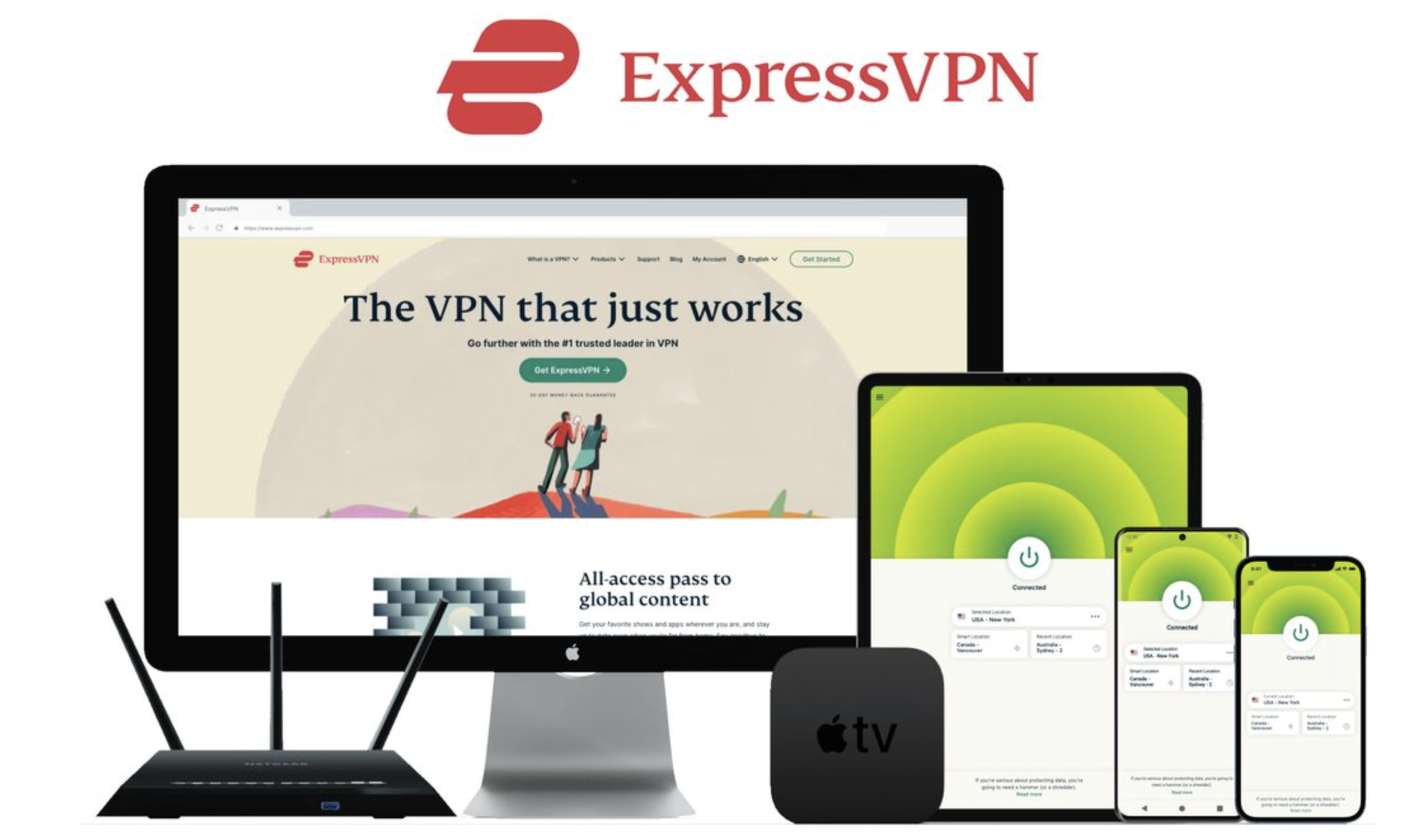
It’s kind of wild that CyberGhost and ExpressVPN both hang out under Kape Technologies, yet they couldn’t be more different. ExpressVPN spreads itself across 105 countries—slightly ahead of CyberGhost—but CyberGhost flexes with a jaw-dropping 11,700+ servers compared to ExpressVPN’s lean 2,000, which makes it feel like scoring way more for way less money—$2.19 a month versus $4.99, basically a tiny victory for the budget-minded. Both nail the essentials—split tunneling, kill switches that actually kill, military-grade encryption, DNS leak protection—the kind of nerdy Swiss Army stuff that feels reassuring without being flashy. Personality-wise, they diverge: CyberGhost stacks dedicated IPs and antivirus add-ons like it’s trying to be everyone’s responsible tech buddy, while ExpressVPN struts around with a polished ad blocker, password manager, and tracker-blocker, all tidy and neat, like it’s showing off without trying too hard. Speed-wise, they’re solid, though some CyberGhost servers can lag like they had too much coffee, while ExpressVPN mostly hums along, dependable as your Monday morning caffeine fix. It’s one of those matchups where overthinking every little feature is inevitable, but in the end, both earn respect in their own nerdy, quirky ways.
CyberGhost vs. IPVanish
IPVanish comes out swinging with the essentials—AES-256 encryption, a kill switch that actually kills, and DNS leak protection that doesn’t betray you—but when it comes to sheer muscle, CyberGhost flexes like it’s trying to bench press the internet: over 11,000 servers in 100 countries versus IPVanish’s humble 2,400 in 75. CyberGhost even throws in dedicated IPs, which makes IPVanish look like it forgot to RSVP. Both slide past Netflix and BBC iPlayer without a sweat, though CyberGhost goes the extra mile with servers tuned for streaming, gaming, and torrenting—basically a Swiss Army knife for nerds. IPVanish has the one unbeatable trick: unlimited devices, perfect for a house where everyone’s sneaking their phones into the Wi-Fi chaos. Prices? Practically twins at $2.19 a month, but CyberGhost’s 45-day money-back guarantee feels like getting a bonus cookie compared to IPVanish’s 30-day window. It’s the kind of battle where every tiny feature sparks overthinking, but in the end, both earn respect for playing their roles well—like nerdy superheroes in slightly different universes.
CyberGhost vs. Private Internet Access (PIA)
Private Internet Access, or PIA, joined the Kape family in 2019 and immediately positioned itself as CyberGhost’s privacy rival. Both play in the same league with WireGuard, IKEv2, and OpenVPN support plus the kind of AES-256 encryption that basically laughs at hackers. PIA flaunts a monster server network—about 35,000 servers across 91 countries—way bigger than CyberGhost’s 11,600, though CyberGhost sneaks ahead on country coverage. They both offer paid extras like static IPs, and speeds are neck-and-neck, but CyberGhost leans into streaming, gaming, and torrenting with specially tuned servers, whereas PIA’s streaming perks stop there. Oh, and the antivirus add-ons—PIA’s is like CyberGhost’s little sibling, extra armor against malware and trackers for those who like a digital safety net. It’s the kind of showdown that makes privacy nerds grin but also scratch their heads over who really has the edge.
Additional Features
CyberGhost VPN comes with several exclusive features, including:
- Private Browser: Think of this as CyberGhost’s own little browser playground. It works with all the extensions you love, runs on DuckDuckGo so snoops aren’t invited, and wipes your history the second you log out. On top of that, free extensions are tossed in for convenience—because who doesn’t love a little bonus?
- Photo Vault (iOS only): This one’s like a Fort Knox for your selfies and secret files. Passwords, PINs, AI security snapping pics of intruders, break-in alerts, even decoy passwords—basically everything short of hiring a bodyguard for your phone. All free, which is wild when you think about it.
- Privacy Guard (Windows): A watchdog for your PC, scanning for privacy holes and letting you shut down personalized ads. You can pick a quick basic scan or go full-on detective mode with advanced checks. Paired with CyberGhost’s no-logs policy, it’s like adding an extra lock on your digital life.
Who Owns CyberGhost?
CyberGhost VPN started in 2011, born from Romanian tech brain Robert Knapp’s idea of a no-nonsense, privacy-first tool—just browse safely, hide your tracks, simple as that. Then 2017 hit, and suddenly it got scooped up by Kape Technologies, who were still Crossrider back then, and yeah… that made a lot of people squint; Crossrider had a messy history with malware that could peek at users’ data, not exactly confidence-inspiring. Fast forward a bit, they rebranded to Kape in 2018, ditched the adware drama, and went on a binge buying up big-name VPNs like ExpressVPN and Private Internet Access. Watching it all feels like witnessing a slow, awkward redemption story—part reassuring, part “wait, really?”—a company tripping over its own past but at least trying to remember why privacy actually matters.
CyberGhost VPN: Pros and Cons
Pros:
- The interface is clean, simple, and actually makes sense—no hunting around for buttons.
- Servers are fine-tuned for whatever mood strikes: bingeing shows, torrent marathons, or late-night gaming sprees.
- Military-grade encryption keeps your data under lock and key, because snoopers are a thing.
- Geo-blocks? Mostly useless here—accessing premium content worldwide feels almost effortless.
- Even DNS queries are wrapped in encryption, adding an extra layer of “I’m not being watched.”
- NoSpy servers exist for those moments when normal security just isn’t enough.
- PC users get a 24-hour test run, which is a nice “try before you commit” vibe.
- A generous 45-day money-back guarantee gives breathing room if things go sideways.
- True no-logs policy—your online life isn’t being cataloged like some creepy library.
- Works across almost everything—phones, laptops, maybe even your smart fridge if it had Wi-Fi.
- Customer support never sleeps; 24/7 help is actually there when needed.
- Subscription plans are reasonable, with frequent discounts making them even more tempting.
Cons:
- Some perks, like the photo vault, feel a bit exclusive—only iOS users get to play.
- Speeds aren’t always rock-solid; hopping onto servers on the other side of the planet can feel like wading through syrup.
- That neat 24-hour free trial? Not everywhere—it skips Android, which is a bummer if that’s your main device.
- You’re capped at seven devices at once, which is fine for most people, but anyone used to unlimited connections (looking at you, PIA) might twitch a little.
Conclusion
CyberGhost VPN feels like that reliable friend who’s always got your back online—whether binging shows that are “not available in your country,” diving into torrenting, or trying not to lag in late-night gaming marathons. Its network is insane, with over 9,600 servers scattered everywhere, and it doesn’t just throw you into the void—there are optimized servers for whatever you need, which is surprisingly thoughtful. Speeds are solid enough that it doesn’t feel like you’re buffering through molasses, geo-unblocking actually works without fuss, and that automatic kill switch gives a quiet sense of security, the kind you don’t notice until you really need it. Sure, no VPN is perfect, but for streaming, gaming, or just pretending to be in another country while sipping coffee at home, CyberGhost makes the whole thing feel almost effortless.