Best VPN for FireStick: Finding a solid VPN for FireStick can feel like trying to pick a favorite Star Wars movie—there are just so many options, and most of them promise the moon but deliver a lot less. After spending way too many late nights testing them, a few really stood out, not just on Fire TV devices like the Stick HD, Cube, 4K, 4K Max, or Lite, but also across Windows, macOS, Android, iOS, and even Android TV. These aren’t just flashy names—they actually work, are fast, reliable, and don’t make streaming a headache. Along the way, there’s a step-by-step installation guide that even someone who’s terrified of tech could follow without feeling like they’re defusing a bomb. And because nobody has time for mediocre performance, the list sticks only to VPNs that pass the test in real-world use, not just on paper.
Best VPN for FireStick 2026
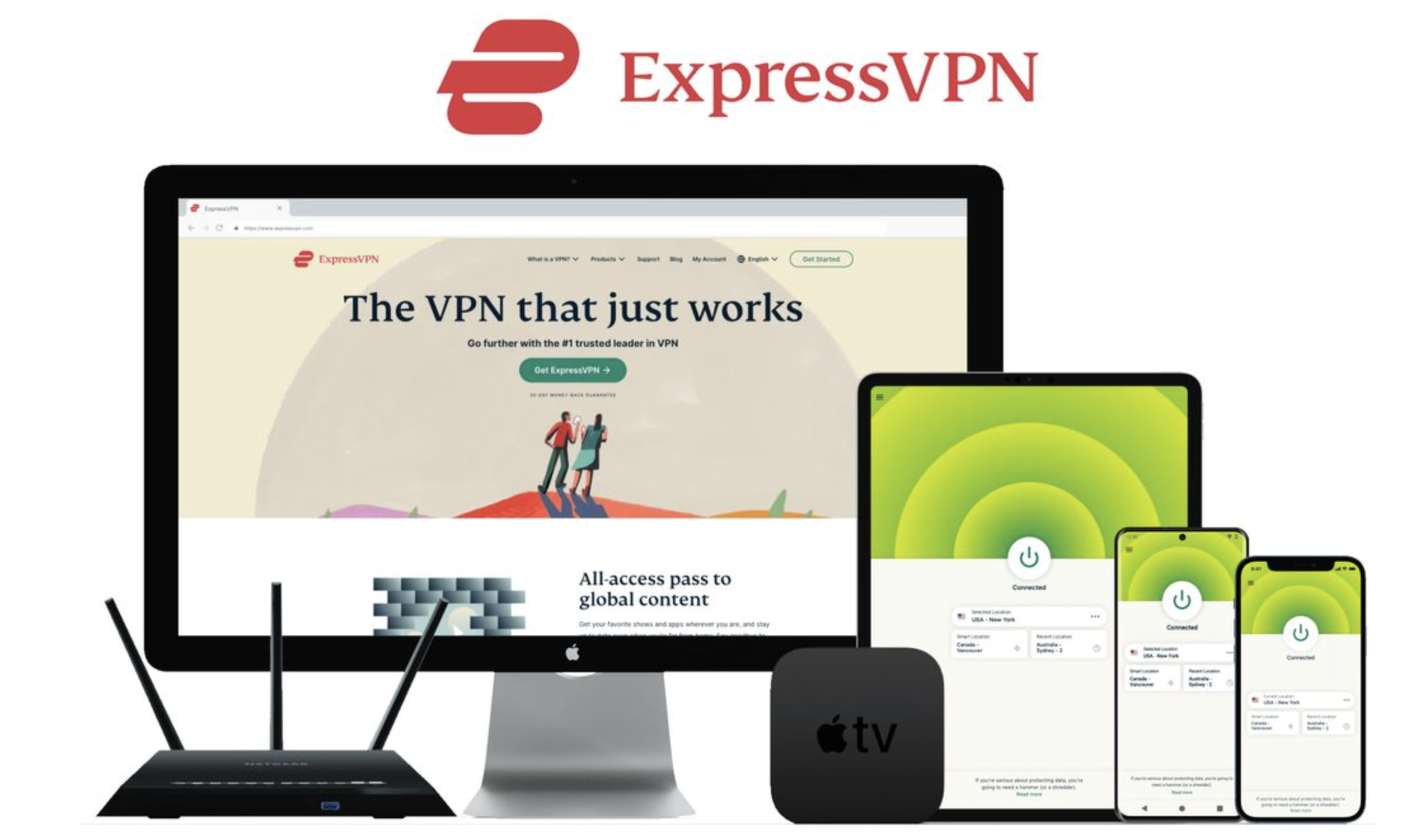
Hands down, ExpressVPN takes the crown for FireStick. It’s not just marketing hype—this thing actually flies, with blazing speeds, a massive server network, and privacy policies that actually make sense instead of reading like legal gibberish. The security features are legit too: military-grade encryption, split tunneling, and a kill switch that makes sure nothing sneaky slips through. And yes, it works everywhere—dedicated apps for every device, browser extensions for the ones everyone actually uses. Having a VPN like this on a FireStick isn’t just a tech flex; it’s peace of mind while streaming, avoiding those annoying geo-blocks, and staying off anyone’s radar. Later, the guide dives into other top contenders, but for sheer reliability and speed, ExpressVPN is hard to beat.
Privacy Alert!
Your data is exposed to the websites you visit!
 Your IP Address: Loading...
 Your Location: Loading...
 Your Internet Provider: Loading...
The information above can be used to track you, target you for ads, and monitor what you do online.
We recommend ExpressVPN — the #1 VPN out of over 350 providers we've tested. It has military-grade encryption and privacy features that will ensure your digital security, plus — it's currently offering 48% off.
Visit Express VPNOther VPNs We’ve Reviewed
While ExpressVPN remains our top pick, these VPNs also deliver excellent performance on FireStick:
- IPVanish – The Customizer’s Dream
Made for people who love tweaking things. Fast, FireStick-friendly, and with split tunneling, it gives control without turning streaming into a full-time job. - PIA (Private Internet Access) – The Privacy Geek
Packs serious encryption, lets you mess around with security settings, and even blocks ads so Netflix binges don’t get interrupted by random pop-ups. - CyberGhost – The Lazy Streamer’s Buddy
One-click connect, dedicated streaming servers, and smooth, buffer-free viewing. Perfect if fiddling with tech feels like a chore. - Surfshark – The Budget Beast
Handles unlimited devices, stays fast, and blocks ads and trackers with CleanWeb. A dependable pick when wallets are tight but streaming sanity matters.
Why Use a VPN on FireStick 2026?
The Amazon FireStick is one of those tiny miracles that somehow turns a boring TV into a full-on entertainment command center—Netflix, Hulu, Kodi, and a jumble of other apps all just… there, ready to go. FireOS, which is basically Android in a streaming-friendly costume, makes it feel effortless most of the time, like the tech is doing all the hard work so just sitting back is enough. Of course, reality isn’t all smooth—buffering shows up like a bad guest at the worst moment, ISPs seem to have a personal vendetta against seamless streaming, and geo-blocks pop up like little trolls guarding their treasure. Some apps throw tantrums for no reason, making the whole thing feel slightly fragile. But when it actually works? It’s kind of euphoric, like holding the entire entertainment universe in a stick smaller than a pen. That little “it’s working!” moment hits way harder than it logically should, and honestly, maybe that’s the best part.
- Big brother vibes are real—ISPs, governments, and even random hackers or crypto miners can peek at what’s being watched, which makes privacy feel like a joke.
- Ever notice your stream suddenly slows to a crawl? That’s ISP throttling, quietly punishing anyone trying to enjoy a binge without interruptions.
- Geo-blocks are basically digital bouncers, saying “nope, not for you” just because of where you live—super frustrating when all that’s wanted is one show.
- Using unofficial apps like Cinema APK, Live Net TV, or Kodi add-ons isn’t just a tech gamble; it’s a legal tightrope, and the constant feeling of being watched makes streaming more stressful than relaxing.
Here’s the bright side: slap a VPN on a FireStick, and suddenly all those streaming headaches ease up. It cloaks your IP, hides your online moves, and basically hands you a free pass across the internet—privacy, security, and freedom all in one tiny gadget. Picture it like a VIP backstage pass: throttling chills out, geo-blocks stop being jerks, and sketchy apps feel way less stressful. This guide isn’t just tech talk—it’s a roadmap for why a VPN is practically mandatory if binge-watching without worry matters, plus a no-nonsense walkthrough for picking, installing, and setting it up.
1. Enhancing Privacy and Security (Avoiding Online Surveillance)
ISPs and governments poking around in online activity can get seriously unsettling. Slap a VPN on a FireStick, and suddenly that constant surveillance loosens its grip—privacy finally gets a fighting chance, and streaming stops feeling like a performance for invisible spectators. It’s like drawing the curtains on the digital world: a little bubble of peace, freedom to explore, and the rare joy of just enjoying shows without someone quietly watching over the shoulder.
- Creating a secure, private tunnel for your internet traffic
- Encrypting your data to prevent hackers and trackers from accessing it
- Masking your IP address by routing your connection through a remote server
2. Preventing ISP Throttling for Smoother Streaming
ISPs love quietly throttling connections whenever streaming or torrenting is detected, turning what should be a chill binge session into a buffering nightmare. Using a VPN hides what’s happening online, so those speed-sapping interventions vanish and streaming finally feels smooth, uninterrupted, and—dare it be said—fun again.
3. Bypassing Geo-Restrictions
Big streaming services like Netflix, Disney+, and Prime Video love playing gatekeeper, blocking shows and movies depending on where you live—so that brilliant British drama might taunt you from Netflix UK while you’re stuck scrolling endlessly. Pop a VPN on your FireStick, hop onto a server in another country, and suddenly those geo-locked shows aren’t teasing anymore—you get a much bigger, way more tempting library without leaving your couch.
4. Avoiding Legal Issues
FireStick makes it stupidly easy to toss on apps like Kodi, Cinema APK, or Live Net TV and suddenly the world of “free” content is at your fingertips—but let’s not pretend that’s risk-free. Sure, a VPN can cloak what’s being streamed and give a little breathing room, but it’s not a magic “get out of jail” card. The reality is, downloading or watching copyrighted stuff without permission can land serious headaches—fines, letters from lawyers, the whole nightmare. Honestly, it’s way safer (and less stressful) to stick to things that are legally free or in the public domain, and think of a VPN as more of a privacy shield than a cheat code. Still, there’s something fun about knowing all the tech tricks—you just have to respect the line between clever and reckless.
5. Keeping Your Online Activities Private
Online privacy isn’t some fluffy tech slogan—it’s the difference between your data staying locked down or getting scooped up by hackers, scammers, and advertisers who already know too much. As online threats pile up like sketchy ads on a free streaming site, a VPN quietly earns its keep by encrypting your data and keeping nosy eyes out of your digital life. It’s especially useful when streaming habits drift into legally gray zones—whether by curiosity or accident—because that extra layer can spare a lot of unnecessary stress. Call it digital common sense: not paranoia, just basic protection in an internet that’s a little chaotic and way too curious.
Best VPNs for FireStick
After testing what feels like a hundred VPNs on FireStick—some good, some painfully slow—it’s clear that a few really rise above the rest. These providers shine when it comes to speed, security, and just plain reliability, making them the ones worth actually installing and keeping around.
- ExpressVPN
- IPVanish
- Private Internet Access (PIA)
- CyberGhost VPN
- Surfshark
Sure, there are plenty of other VPNs out there, but most just can’t keep up with these heavy hitters. This list focuses on the top performers to make sure your FireStick streaming is smooth, secure, and totally stress-free—no endless buffering, no random geo-blocks, just solid, reliable access every time.
1. ExpressVPN – The Best Overall VPN for FireStick
For FireStick users who care about speed, security, and just plain reliability, ExpressVPN is tough to beat. Connections are absurdly fast, privacy features actually deliver on their promises, and it’s no surprise it’s always near the top of VPN rankings. With over 3,000 servers across 160 locations in 105 countries—from the Americas and Europe to Asia Pacific, the Middle East, and Africa—you’ve basically got the world at your fingertips, making buffering and annoying geo-blocks feel like ancient history no matter where you’re streaming from.
Key Features of ExpressVPN:
- Military-grade 256-bit AES encryption
- DNS and IPv6 leak protection
- Kill switch for extra safety
- Split tunneling to choose which apps use the VPN
- Built-in ad blocker
ExpressVPN sticks to a strict no-logs policy, so nothing you do online gets recorded or stored. Even with some chatter about ownership changes, it’s still based in the British Virgin Islands—a privacy-friendly spot far from the prying eyes of the 14 Eyes alliance. One account covers up to eight devices at once, and with native apps for FireStick, Android, iOS, Windows, macOS, plus router support, it’s easy to lock down your entire home network without juggling a dozen different apps.
How to Install & Use ExpressVPN on FireStick / Fire TV
The ExpressVPN app is officially available on the Amazon App Store, and installing it takes just a few minutes. Here’s how:
- First, sign up for ExpressVPN on their official website—don’t skip this unless you enjoy endless login errors.
- Turn on your FireStick and navigate to Find > Search on the home screen.
- Type ExpressVPN and select it from the suggestions—it’s usually the first legit-looking option.
- Click the app under Apps & Games and hit Download or Get to install.
- Open the app, log in with your ExpressVPN email and password, and decide whether to share anonymous usage data (OK or No Thanks).
- Click OK when prompted to set up the VPN and approve the connection request.
- To connect instantly, press the Power button—Smart Location picks the fastest server automatically.
- Want a specific server? Tap Current Location, go to ALL LOCATIONS, and pick a region or country. Click the country name to auto-connect to the fastest server, or tap the arrow (>) for more detailed options.
- Once connected, your FireStick is wrapped in ExpressVPN’s speed and security—ready for private, unrestricted streaming without buffering headaches or geo-blocks.
2. IPVanish – A Reliable VPN with Unlimited Device Connections
IPVanish has built a solid reputation for reliable performance and works smoothly across a ton of devices. Based in the U.S., it runs a huge network of over 2,400 servers spread across 105 countries, giving plenty of options for fast, stable connections no matter where you are.
- 1,440+ servers in North America
- 690+ in Europe
- 160+ in Asia
While it may not top the charts for speed, IPVanish delivers reliable performance and includes a strong lineup of privacy and security features:
- 256-bit AES encryption
- Kill switch to prevent data leaks during disconnection
- Split tunneling for more control over VPN use
- WireGuard and other encryption protocols
- Built-in threat protection against ads, trackers, and harmful websites
- DNS leak protection
IPVanish sticks to a strict no-logs policy, though being based in the U.S.—part of the 14 Eyes Alliance—makes some people raise an eyebrow about potential government data access. On the bright side, it lets you connect unlimited devices at once, so every gadget in the house can stay protected without worrying about hitting a cap. Even better, it can be installed on a router, giving your entire network blanket coverage and keeping devices safe that don’t normally run VPN apps.
How to Install IPVanish on FireStick / Fire TV
Setting up IPVanish on your FireStick is quick and simple. Just follow these steps:
- First, grab an IPVanish subscription from their official website—don’t skip this or the app will just glare at you.
- On the FireStick home screen, head to Find > Search (older interface? Look top-left for the magnifying glass).
- Type IPVanish and pick it from the search results—it’s usually the one that looks official, not a shady knockoff.
- Click the IPVanish tile under Apps & Games and hit Download or Get to install.
- Once it’s done, open the app and enter your username and password, then tap Log In—easy enough, though double-check those credentials because typos happen.
- Want to connect immediately? Smash CONNECT to use the default server.
- Prefer a specific location? Click the location icon in the bottom-left and pick your favorite country or city.
- Once connected, your FireStick is cloaked in VPN goodness, ready to stream safely without worrying about prying eyes.
3. Private Internet Access (PIA) – A Robust VPN with Massive Server Coverage
Private Internet Access (PIA) is a solid pick for FireStick users who want options. It’s part of the same family as ExpressVPN and CyberGhost under Kape Technologies, but what really stands out is its sheer scale—over 29,000 servers in 91 countries. That’s a ridiculous number of choices, meaning faster connections, less overcrowding, and way more chances to find a smooth, secure server no matter where you are.
Key Features of PIA:
- AES 256-bit encryption
- WireGuard & OpenVPN protocols
- Kill switch for protection during disconnections
- DNS leak protection
- Built-in ad blocker
- Split tunneling
- Dedicated IP (optional)
PIA sticks to a strict no-logs policy, though some people still raise an eyebrow because it’s based in the U.S. and its parent company has a history. On the bright side, the clients are 100% open-source, so anyone can peek under the hood and confirm the security is legit—definitely a trust booster. One of the nicest perks? Unlimited device connections per account, and it can even be set up on a router to cover devices that don’t normally support VPNs. Speed-wise, it’s not quite at ExpressVPN’s level, but it’s more than fast enough for smooth HD or 4K streaming, which is really what most of us care about anyway.
How to Install PIA on FireStick / Fire TV
PIA has an official app on the Amazon App Store. Here’s how to install and use it:
- Start by grabbing a Private Internet Access subscription—don’t skip this step unless you enjoy staring at error messages.
- On the FireStick home screen, go to Find > Search and type in Private Internet Access, then pick it from the suggestions.
- Click on the VPN tile under Apps & Games and hit Download or Get. Let it do its thing.
- Once installed, open the app and tap LOGIN, enter your credentials, and hit LOGIN again—yes, twice feels redundant, but it’s just how it rolls.
- The app will ask for a bunch of permissions—click OK through all of them.
- When a connection request pops up, press OK again.
- Once everything’s set, press the Power button to automatically connect to a secure server and enjoy some peace of mind online.
4. CyberGhost VPN – Secure & User-Friendly VPN for FireStick
CyberGhost is a solid, newbie-friendly VPN for FireStick that covers the globe with thousands of servers in 100 countries across 125+ locations. If a steady, consistent connection is a priority, dedicated IPs in over 20 spots have got that covered. It’s not winning any speed awards, but the connection is stable enough for binge-watching, casual surfing, and even gaming without constant buffering headaches. What really makes it stand out are the specialized servers—pre-tuned for streaming, torrenting, or gaming—so Netflix, Disney+, and Amazon Prime Video actually work like they’re supposed to, which is a lifesaver for anyone tired of “platform not available in your region” messages.
Security & Privacy Features:
- Military-grade AES 256-bit encryption
- Kill switch to maintain privacy during connection drops
- DNS leak protection
- Split tunneling
- Built-in ad and malware blocker
- Multiple VPN protocol support (including WireGuard & OpenVPN)
CyberGhost lets up to seven devices ride under one account, so the whole household—or just all your gadgets—can stay protected without juggling logins. The interface on FireStick is clean, simple, and surprisingly intuitive, making it a breeze even for someone who normally clicks “next” without reading instructions.
How to Install CyberGhost on FireStick / Fire TV
- First, snag a CyberGhost VPN subscription if it’s not already hanging out in your accounts.
- On the FireStick home screen, head to Find > Search—yes, that tiny magnifying glass again.
- Type in CyberGhost and pick it from the results—it’s usually the one that looks trustworthy, not like some random app.
- Click on the CyberGhost tile under Apps & Games and hit Download or Get. Let it do its thing.
- Open the app, and a pairing code will pop up on your screen—don’t panic, this is normal.
- Grab a phone or computer, go to cgvpn.info/link, log into your CyberGhost account, and punch in that code.
- Jump back to your FireStick and hit Validate PIN to tie everything together.
- Press the Power button to kick things off—instant VPN goodness.
- Feeling picky about location? Click the Connect button (usually says “Best Location”) and browse servers until you find your favorite spot.
5. Surfshark – Best Budget-Friendly VPN for FireStick
Surfshark earns its place among the top VPNs for FireStick because it somehow balances serious power with a price that doesn’t make the wallet scream. For anyone hunting a premium VPN on a budget, it’s hard to beat—long-term plans drop as low as $2.19/month if you’re willing to commit for 24 months. The catch? The monthly plan is a bit of a wallet punch at around $15.45/month, so the real savings only show up if patience (and commitment) is part of the deal.
Key Features:
- Locks your data down with AES 256-bit encryption—basically Fort Knox for your online life.
- Over 3,200 servers across 100 countries, so finding a fast connection anywhere feels effortless.
- Option for a dedicated or static IP if you like a little extra control (or just hate sharing).
- Automatic kill switch that cuts your connection if the VPN hiccups—no accidental leaks.
- DNS leak protection and private DNS, because privacy should actually… stay private.
- Camouflage Mode hides VPN use even from your ISP, sneaky but satisfying.
- Built-in antivirus for that extra layer of “I probably won’t get hacked today.”
Surfshark might not break any speed records like ExpressVPN or IPVanish, but it’s more than fast enough for smooth streaming, gaming, and casual browsing without the annoying buffering dance. It plays nicely with Netflix, Hulu, Disney+, and basically anything else you throw at it, which is a relief. The real kicker? Unlimited simultaneous connections—one subscription can cover everything from FireStick and phones to PCs and smart TVs, so the whole household can stay protected without fighting over devices.
How to Install Surfshark on FireStick / Fire TV:
- First things first—grab a Surfshark subscription if it’s not already sitting in the back of your digital wallet. Trust me, it’s worth it.
- On the FireStick home screen, head over to Find > Search—yeah, the magnifying glass, because typing is unavoidable here.
- Punch in Surfshark and pick it from the suggestions. Don’t worry, it’s the one that actually looks like it belongs in the VPN world.
- Click on the Surfshark tile under Apps & Games. It’s kind of like picking your next Netflix binge—just less guilty pleasure.
- Hit Download or Get. Go ahead, let the magic happen. Watching the progress bar feels like waiting for cookies to bake, but digital.
- Once it’s installed, click Open. The app will launch, ready to protect your online chaos.
- Sign in with your Surfshark credentials. Hopefully, remembering passwords isn’t the modern equivalent of running a marathon.
- For instant gratification, smash Quick Connect at the bottom right. It’s basically “go!” for your VPN.
- If being picky is your thing, scroll through the country list on the left and pick your digital hideout. Because why not teleport virtually?
Surfshark hits that sweet spot for anyone who wants solid VPN protection without feeling like the wallet just ran a marathon. Perfect for binge-streaming late-night shows, casually browsing, or keeping every device in the house from turning into a privacy disaster, it’s reliable, surprisingly affordable, and just works on a FireStick without fuss.
How I Chose the Best VPN for FireStick — And Why ExpressVPN Was My Top Choice
While putting this guide together, I initially considered reviewing a large number of VPNs. However, including too many options would have only added confusion. To keep things simple and focused, I narrowed it down to the top five VPNs that deliver the best performance specifically for FireStick users. I spent a considerable amount of time testing and comparing various VPNs across multiple categories. After extensive hands-on use, I identified the most important factors that helped shape my final decision:
1. Connection Speed
Speed is everything when streaming on a FireStick—there’s nothing worse than settling in for a movie or catching a live game only to have it stall like it’s stuck in molasses. A sluggish VPN doesn’t just slow things down; it kills the vibe, turns epic plot twists into buffering circles, and makes that nail-biting sports finale feel like watching paint dry. Picking one that actually moves fast isn’t just a tech choice—it’s basically survival if patience isn’t exactly a strong suit.
Here’s what Netflix recommends for smooth streaming:
- 3 Mbps for SD (480p)
- 4–5 Mbps for HD (720p or 1080p)
- 25 Mbps for Ultra HD / 4K
VPNs almost always shave a bit off your internet speed—thanks to all that heavy-duty encryption—but the real challenge is spotting which ones grind things to a halt and which barely leave a scratch. ExpressVPN barely even flinched: speed stayed solid, streaming stayed silky smooth, and even the most impatient binge-watchers could relax without staring at that maddening spinning buffer. Honestly, it felt like stumbling on a unicorn for anyone who can’t stand waiting around.
- Original Speed (no VPN): 48.6 Mbps
- ExpressVPN: 46.3 Mbps (Speed retention: 95.27%)
All the testing was done on the same device, same server, same internet—trying to keep things fair and not let random variables mess it up. Even with everything equal, ExpressVPN stood out, delivering smooth, reliable performance that just worked without drama. Honestly, that consistency is exactly why it earned the top spot for FireStick—nothing fancy, just solid, dependable speed that doesn’t make streaming feel like a gamble.
2. Encryption Strength
Think of encryption like strapping on a seatbelt before hitting the internet highway—without it, everything you do online is basically waving your personal info at the world like a confused tourist. The really solid VPNs throw on AES 256-bit encryption with OpenVPN like a tech-geek superhero cape, and suddenly hackers, nosy ISPs, and government peepers can’t see a thing. It’s the kind of security that makes binge-watching, scrolling through memes, or downloading random junk feel safe instead of like juggling flaming chainsaws blindfolded. Honestly, it’s the peace of mind nobody really talks about until it’s too late, but once you have it, it’s kind of magical.
3. Essential Security Features
The more robust features a VPN includes, the better its overall value. However, certain baseline features are non-negotiable when choosing a VPN:
- DNS leak protection
- Kill switch
- Split tunneling
Every VPN on this list comes with the essentials, but some, like ExpressVPN, go the extra mile with advanced options that make it shine—especially for FireStick users who want everything to just work without fuss. It’s the kind of attention to detail that turns a “meh, it works” experience into a genuinely smooth one, and honestly, that little edge is what makes a VPN feel worth the hype.
4. No-Logs Policy
A good VPN shouldn’t be keeping tabs on anything—no logs, no browsing history, no “just in case” files hiding in the background. The idea is simple: even if some overzealous authority knocks on the door, there’s literally nothing to hand over. The VPNs on this list all promise strict no-logs policies, and while “promise” always makes you squint a bit, it’s comforting knowing that your online habits aren’t being tracked like some reality show. For anyone who actually values privacy instead of pretending to, that kind of anonymity isn’t just nice—it’s essential.
5. Customer Support
Even the steadiest VPN can have its off days, and when that happens, good support isn’t just convenient—it’s a sanity saver. Services like ExpressVPN, PIA, CyberGhost, Surfshark, and IPVanish get it, offering 24/7 live chat and email so getting help usually doesn’t feel like pulling teeth. IPVanish even throws in phone support in places like the US, UK, Mexico, Spain, Australia, and Brazil, which is honestly a relief when trying to type out a meltdown mid-connection feels like the last thing anyone needs. It’s those little extras that turn a frustrating “why won’t this work?!” moment into something barely noticeable, and trust me, when the internet decides to be dramatic, that kind of backup becomes priceless.
6. Ease of Use on FireStick
Because FireStick lives and dies by a tiny remote, any VPN you use has to play nicely with FireOS—no clunky menus or mouse-only nonsense. ExpressVPN nails this with a clean, remote-friendly layout that just works without thinking, while IPVanish’s recent redesign keeps things refreshingly simple and stream-ready. PIA, CyberGhost, and Surfshark aren’t slacking either, offering FireStick apps that feel smooth, intuitive, and mercifully easy to navigate from the couch.
7. Jurisdiction
VPNs operating out of 14 Eyes countries live under a bit more government pressure, thanks to data-sharing agreements that can legally force companies to hand over user information when asked. That doesn’t automatically mean trouble, but it does add a layer of risk—especially for anyone who actually cares about privacy and isn’t just using a VPN for faster streaming.
- ExpressVPN – Calls the British Virgin Islands home, which sits comfortably outside the whole 5/9/14 Eyes surveillance mess. Privacy folks tend to smile at that.
- CyberGhost – Based in Romania, another country that stays clear of the alliance and generally plays nice when it comes to user privacy.
- IPVanish & Private Internet Access (PIA) – Both are U.S.-based, meaning they fall under 14 Eyes jurisdiction. Not shocking, but definitely something to keep in mind.
- Surfshark – Operates out of the Netherlands, also part of 14 Eyes—not ideal on paper, though not an automatic red flag either.
8. Money-Back Guarantee and Free Trials
A money-back guarantee is like a risk-free trial—it gives you time to test the VPN and determine if it’s the right fit.
Here’s how the providers stack up:
- ExpressVPN – A solid 30-day money-back window, which feels fair and pressure-free. Try it, binge a bit, decide later.
- IPVanish – Also offers a 30-day guarantee, nothing flashy, just dependable and straightforward.
- Private Internet Access (PIA) – Comes with a 30-day no-questions-asked refund, which is nice because explaining yourself to support is never fun.
- CyberGhost – The overachiever here with a 45-day refund period, giving plenty of time to really put it through its paces.
- Surfshark – Keeps it simple with a 30-day money-back guarantee, easy to test without commitment anxiety.
While none of these VPNs offer a free trial specifically for FireStick, CyberGhost and Surfshark do provide limited trials on other platforms:
-
CyberGhost: 24-hour trial for Windows/Mac, 3-day trial on Android, and 7-day trial on iOS
Free VPN for FireStick – Is It Worth It?
People constantly ask, “What’s the best free VPN for FireStick?” and here’s the uncomfortable truth—free and good almost never sit at the same table when it comes to VPNs. A truly fast, secure, and reliable option just doesn’t come without a price tag, and while it’s totally fair that not everyone wants to pay for one, free VPNs often cut corners in ways that can backfire hard—slow speeds, sketchy logging, or worse—sometimes leaving you less protected than if you’d skipped a VPN altogether.
Free VPNs often come with limitations like:
- Slow speeds
- Limited server access
- Weak or outdated encryption
- Data logging and selling to third parties
In fact, using a free VPN on your FireStick might compromise your privacy rather than protect it. Here’s why you should avoid free VPNs.
How to Change Your Amazon Region for FireStick
Installing a VPN on a FireStick usually does the heavy lifting—your IP is hidden, your data’s wrapped up nicely, and you’re mostly good to go—but some people (the cautious, the curious, or the slightly paranoid) like adding one more lock on the door by changing their Amazon account region. It’s not mandatory, but it does make it easier to tap into different content libraries without waving a giant flag that says where you’re actually watching from, which honestly just feels cleaner and a bit smarter.
Here’s how to change your Amazon region:
- Head to Amazon.com and hover over “Hello, Sign in · Account & Lists” in the top-right.
Click the big yellow “Sign in” button (you can’t miss it). - Enter the email tied to your Amazon account, hit Continue, then type in your password and sign in.
Standard stuff. No drama. - Once you’re logged in, go back to the homepage.
Hover over “Hello, Your Name · Account & Lists” again and click Content & Devices from the dropdown. - On the Content & Devices page, switch to the Preferences tab.
This is where Amazon hides the important things—classic. - Scroll until you see Country/Region Settings, then click Change.
- A pop-up will ask for a new address and phone number.
Use legit details from the country you’re switching to (yes, Amazon checks). - Click Update, take a breath, and you’re done.
That’s it—your Amazon region is officially changed.
Changing your region alongside using a premium VPN gives you greater access to geo-restricted content and improves privacy on your FireStick.
[wbcr_snippet id=”67431″
Final Verdict – The Best VPN for FireStick
AA FireStick already punches above its weight as a streaming gadget, but throw a VPN into the mix and it suddenly feels unlocked. Geo-restrictions fade, ISP slowdowns stop killing the vibe, and privacy actually matters once third-party apps get involved. After putting speeds, apps, and real-world streaming through their paces, five VPNs stood out—and ExpressVPN didn’t just win, it coasted ahead. It’s quick enough to be invisible, serious about security, and oddly satisfying to use thanks to a FireStick app that plays nice with the remote. The 30-day money-back guarantee just makes it feel like a no-brainer upgrade for anyone who streams without training wheels.