Choose the Best VPN for Your Needs: A VPN is basically like putting your internet life in a private, locked tunnel—everything gets encrypted, so random creeps (hackers, trackers, snoops) can’t casually peek at what’s going on. And honestly, with how much of daily life happens online now—banking, work logins, personal messages, even just doom-scrolling—your data is everywhere, which is kind of terrifying when you think about it for more than two seconds. Cyber threats keep getting smarter, remote work isn’t going anywhere, and public Wi-Fi is still the digital version of trusting a stranger to hold your wallet, so using a VPN isn’t some fancy “tech person” upgrade anymore—it’s more like basic hygiene… like locking the front door, but for the internet.
Why Are VPNs Becoming So Popular Right Now?
With VPNs getting more popular, the market’s basically turned into a crowded buffet of providers—some legit, some sketchy, and a lot that look weirdly identical like they were copy-pasted with different logos. Sure, having options sounds great, but it also makes picking the right VPN way more confusing than it should be, especially when everyone claims they’re the “fastest” and “most secure” like it’s a personality trait. Finding one that’s actually trustworthy can feel like dodging marketing fluff while blindfolded… but don’t worry—we’ll break it down and help you choose one that won’t disappoint.
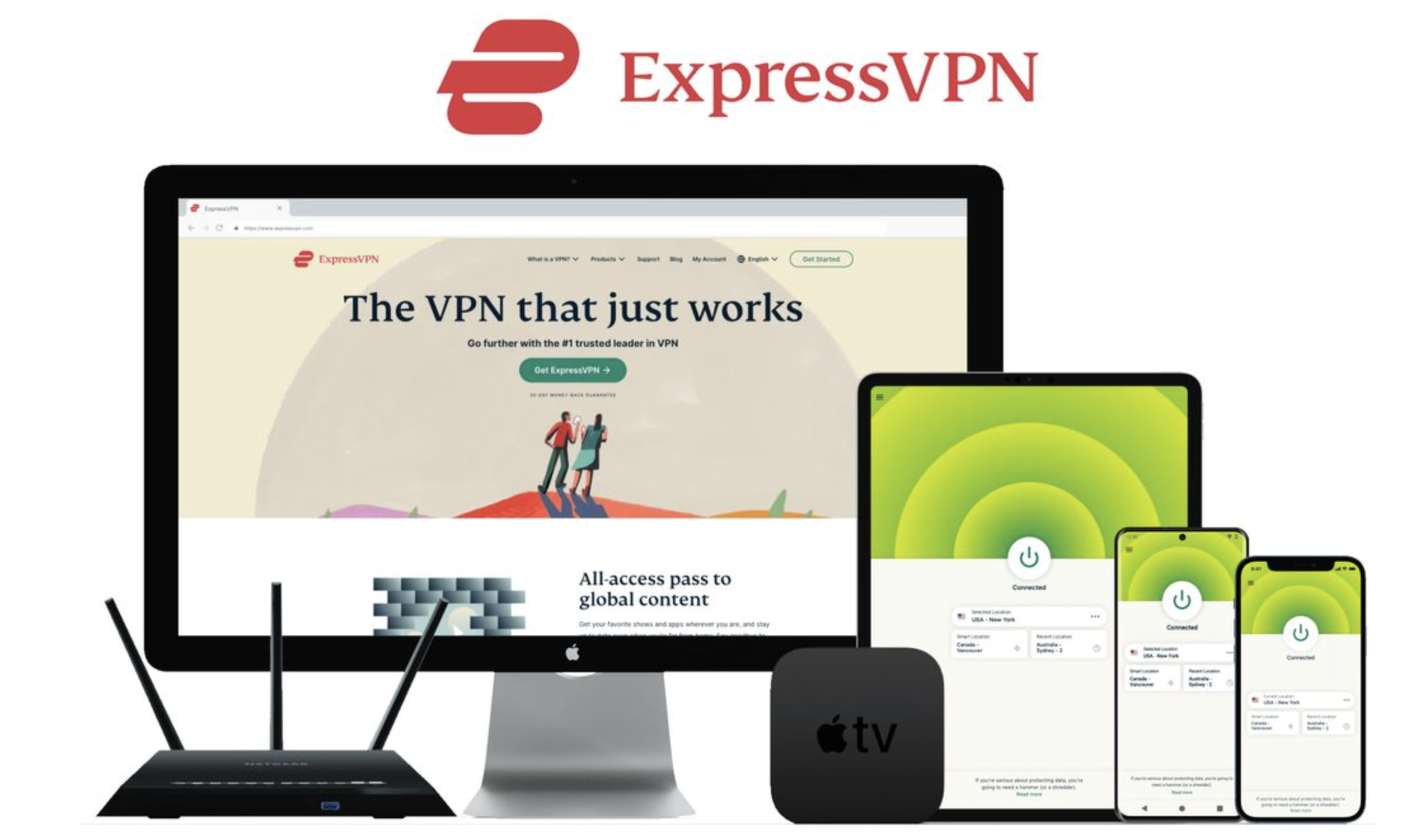
Privacy Alert! Your data is exposed to the websites you visit! The information above can be used to track you, target you for ads, and monitor what you do online. We recommend ExpressVPN — the #1 VPN out of over 350 providers we've tested. It has military-grade encryption and privacy features that will ensure your digital security, plus — it's currently offering 48% off. Your IP Address: Loading...
 Your Location: Loading...
 Your Internet Provider: Loading...
1. VPNs Enhance Online Privacy
VPNs have technically been around forever in internet years (like, 20+ years), but let’s be honest—most normal people didn’t care until privacy stopped feeling like a “tech issue” and started feeling personal. The real tipping point was when Edward Snowden pulled the curtain back and exposed government surveillance programs like the NSA’s PRISM, and suddenly it wasn’t paranoia anymore—it was reality. That moment hit like a cold shower: online privacy wasn’t “kind of weak,” it was basically a myth. And once that sunk in, VPNs stopped being a nerd-only tool and became the digital version of closing the blinds—imperfect, sure, but still a smart move if staying watched 24/7 isn’t exactly the vibe.
2. They Unlock Streaming Content
Geo-restrictions are honestly the most annoying “feature” streaming platforms ever invented—one minute a show exists on Netflix or Disney+, the next it’s suddenly “not available in your region” like the internet has borders (cool, thanks). That’s why VPNs have basically become a must-have for anyone who streams a lot: a solid VPN lets you hop regions, unlock different libraries, and watch what you actually want—no weird limitations, no begging the algorithm for mercy. And for Kodi users, it’s even more of a no-brainer, because when you’re tapping into free streaming sources, privacy isn’t some optional extra—it’s the whole safety net, and frankly, it just feels smarter.
3. VPNs Help Bypass Censorship
Internet access gets messed with all the time, and honestly, it happens on every level—sometimes quietly, sometimes aggressively. In schools or offices, it’s the usual “let’s block social media and Netflix so people actually work” move (fair… but also kinda annoying), mostly justified as productivity and security.
But then you zoom out and it gets darker: whole countries like China, Iran, Saudi Arabia, and the UAE straight-up fence off massive chunks of the internet—news outlets, Wikipedia, and the big social platforms—basically anything that could make people more informed than the government feels comfortable with.
That’s where VPNs come in, like the nerdy little secret tunnel that helps people slip past the digital walls and reach the wider internet. Except, surprise: in many of these places, VPNs are restricted or outright banned too, because the last thing authorities want is citizens casually bypassing censorship like it’s a Wi-Fi password problem.
Why We Use a VPN?
Whether a VPN is actually worth paying for really comes down to your life (or your work) and how you use the internet—because let’s be real, not everyone needs one, and not every VPN is the magical privacy cape people make it out to be. The smart move is figuring out why you want a VPN in the first place—are you trying to keep your data safe on sketchy café Wi-Fi, unblock content while traveling, hide your browsing from your ISP, protect business logins, or just chasing that “I want privacy” feeling without knowing what that truly means? (No judgment—most people start there.) Once the reason is clear, the decision gets way easier: some reasons absolutely justify subscribing, and some are honestly just marketing bait dressed up as urgency—so let’s break down the most common real-world situations where people reach for a VPN and whether it actually makes sense.
Best VPNS For Streaming Safely
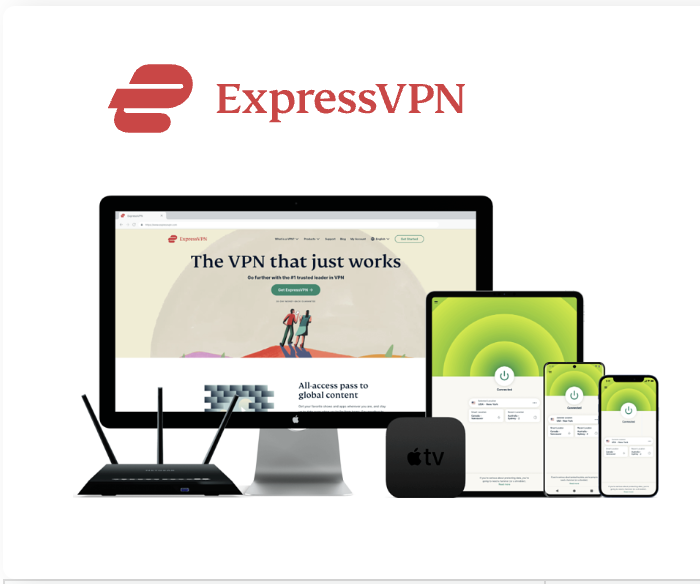
1. ExpressVPN — Best VPN With the Fastest Speeds for Smooth Streaming
Best Feature
The fastest speeds we tested, ensuring you can stream, browse, game, and torrent without interruptions
Server Network
3,000 servers in 105 countries give you fast worldwide connections
Simultaneous Device Connections
Up to 8, so you can protect your compatible devices under one subscription
Works With
Netflix, Disney+, Amazon Prime Video, BBC iPlayer, (HBO) Max, Hulu, Vudu, DAZN, and more
2. NordVPN — Best VPN With the Fastest Speeds for Smooth Streaming
Best Feature
High security features and fast speeds for a reliable connection
Server Network
5,400 servers in 60 countries for improved accessibility and connection speeds
Simultaneous Device Connections
Up to 6 devices, suitable for protecting multiple devices simultaneously
Works With
Netflix, Disney+, Amazon Prime Video, BBC iPlayer, (HBO) Max, Hulu, Vudu, DAZN, and more


Travel Frequently
For expats and people who live out of a suitcase, a VPN isn’t some “nice-to-have” tech accessory—it’s basically digital survival. It keeps public Wi-Fi (aka the sketchy café network that definitely isn’t safe) from turning into a free-for-all, and it lets you hop into corporate systems without sweating over who’s snooping.
On top of that, it’s the easiest way to deal with geo-blocks and censorship when half the internet suddenly “isn’t available in your region,” which is always fun. That said, it’s not all smooth sailing—places like the UAE have strict rules where VPN use can get you into trouble, so it’s smart to check the legal situation before landing and acting surprised. The good news: some VPN providers do have stealthy workarounds for tougher regions, so a little prep before traveling can save a lot of headaches later.
Unblocking Geo-Restricted Content
If the only goal is getting around geo-blocks, a VPN honestly might be overkill—like bringing a tank to a pillow fight. If it’s just school or office Wi-Fi being annoying, the simplest move is usually to wait until you’re home and skip the headache. And for pure streaming access, SmartDNS can be a slick little cheat code: faster than a VPN in a lot of cases and way less dramatic. But here’s the real pivot—if privacy actually matters (and yeah, for plenty of Kodi users it definitely does), then a VPN stops being “optional” and starts feeling like the smarter, safer pick.
Country With Heavy Internet Restrictions
In some places, the internet comes with a tight leash—sites randomly “don’t load,” apps vanish, and whole chunks of the web feel like they’ve been erased overnight. That’s where a VPN stops being a nice-to-have and starts feeling like basic survival gear for staying connected to the real internet. But here’s the annoying part: not every VPN can actually handle the job—some fold the second censorship gets serious.
If the goal is to access the open web in heavily restricted countries (China being the classic example), the VPN needs to be more than a shiny logo and marketing fluff: strong encryption, a reliable kill switch (because leaks are how people get caught), and the ability to slip past deep packet inspection—the kind of snooping tech that’s basically designed to sniff out and block VPN traffic. Honestly, anything less is like bringing a paper umbrella into a storm and acting surprised when it fails.
Sensitive Research in High-Risk Areas
If work involves digging into sensitive stuff in high-risk places, a solid VPN isn’t “extra security”—it’s the bare minimum. It’s not just about slipping past censorship; it’s about not lighting up like a target for the wrong people, whether that’s authorities, cyber creeps, or anyone who’d love to know what’s being researched. And yeah, that sounds dramatic, but in some regions it really is that serious—weak protection can turn a normal research session into a privacy leak, a harassment problem, or worse, an actual safety issue. So no, this isn’t the moment for bargain-bin VPNs that crash, leak, or pretend deep security is “optional.”
Strict Data Retention Laws
In a lot of countries, ISPs are basically forced to keep a diary of what people do online—sites visited, clicks made, the whole “browsing history” vibe nobody asked for—and governments can pull that data whenever they feel like it. And it’s not some rare, spy-movie exception anymore; data retention laws are spreading fast, and in some cases info even gets passed around through big intelligence-sharing clubs like Five Eyes (because apparently privacy needed roommates). That’s why knowing local data rules matters—once it’s clear how much gets logged and stored, the whole “VPN thing” stops sounding paranoid and starts sounding… sensible. Sure, those are the big headline reasons, but add everyday online threats into the mix and honestly, a VPN isn’t a fancy add-on anymore—it’s basic digital self-defense. So yeah: here are 10 solid reasons to use a VPN regularly.
Best VPN deals this week:
How to Choose the Best VPN Service
Once the VPN “do I actually need this?” question is answered, it gets way easier to figure out whether a VPN makes sense—and if it does, which one won’t disappoint five minutes after installing it. A VPN is generally a smart move, sure, but picking the right provider isn’t as simple as grabbing the first one with a flashy ad and a too-good-to-be-true discount. There are a few real-world details that matter (a lot), so before spending money, here are the key things worth checking first.
Encryption & Protocols
A VPN only protects you as much as its encryption does—“it’s encrypted” sounds comforting, but the type of encryption and protocol is where the real safety lives. Right now, OpenVPN is still one of the gold-standard options for security, and any serious VPN provider should support it. On the flip side, if a VPN is offering only PPTP, that’s basically the internet equivalent of locking your door with a toy key—sure, it’s fast, but it’s old, weak, and way too easy to crack, so it’s best avoided.
Logging Policy
One thing that really matters (and honestly gets glossed over way too often) is what the VPN itself does with your data—because yeah, a VPN can hide your activity from your ISP, hackers, or random snoops on public Wi-Fi, but the VPN provider can still potentially see everything, which is… kind of terrifying if they’re shady. If the company logs what you do and quietly sells it off or shares it with third parties, the whole “privacy” promise basically turns into a joke.
This is where free VPNs especially raise a giant red flag—because if nobody’s paying, you’re usually the product, and data logging becomes their easy money-maker. And to make it worse, VPNs based in countries with strict data retention laws might not even have a choice—they can be forced to keep records. So yeah, it’s not the fun part, but checking the privacy policy for a real no-logs stance (not vague marketing fluff) and choosing a provider headquartered somewhere privacy-friendly is one of those boring steps that actually protects you.
Speed
Because a VPN has to encrypt everything your device sends and receives, it can sometimes make the internet feel a bit heavier—like your connection is wearing a winter jacket indoors. That said, the slowdown isn’t a guaranteed punishment; it really depends on how good the VPN provider is.
The top-tier ones are built to keep speed loss so low you barely notice, and in some cases they can even improve download or upload speeds by avoiding ISP throttling (which is basically your internet provider being petty). So yeah, speed can take a hit—but with the right VPN, it doesn’t have to.
Global Server Network
A VPN with a big, spread-out server network is basically giving you more lanes on the highway—more places to connect means less congestion, fewer random disconnects, and a smoother ride overall. It also helps keep speeds decent, since you can just hop on a nearby server instead of being forced onto some overcrowded one halfway across the planet. In simple terms: more servers = fewer headaches and faster, more stable browsing.
Device Compatibility
These days, internet life isn’t just one laptop and a dream—it’s phones, tablets, smart TVs, FireStick, Kodi boxes, and even gaming consoles all fighting for Wi-Fi like it’s a sport. So if a VPN only works on one device, it’s basically useless in real life. The smarter move is picking a VPN that supports multiple platforms and operating systems, and lets you connect several devices at the same time—because nobody wants to play “log out here to log in there” every five minutes.
Pricing
If money’s being spent on a VPN, it should actually feel worth it—not like paying monthly for disappointment. Free VPNs look tempting (who doesn’t love “free”?) but they usually come with strings attached: sketchy privacy, tight bandwidth limits, and tiny server lists that crawl at peak hours, so yeah… hard pass. But let’s be real, some paid VPNs aren’t any better—they just charge more confidently. The sweet spot is a VPN that fits your needs without draining your wallet, and the good news is most solid providers offer 7–30 day money-back guarantees, which is basically a risk-free test drive. Use that window, push it hard, and if it doesn’t deliver, grab the refund and move on.
Customer Support
VPNs aren’t always plug-and-play—stuff breaks, settings get confusing, and if you’re new to it, the whole thing can feel weirdly technical for no reason. That’s why good customer support is a bigger deal than people think: fast replies from someone who actually knows what they’re doing can save a ton of time (and frustration). Ideally, go for a VPN with 24/7 help through live chat, email, and support tickets, so you’re not stuck waiting like it’s 2009. And if they offer remote setup assistance too? That’s not just helpful—it’s chef’s kiss.
Which VPN Should You Choose?
Now that the “why VPNs matter” part is out of the way (and the boring checklist stuff too), here are five VPNs that genuinely sit at the top of the pile. They’re the ones that consistently deliver fast speeds, strong military-grade encryption, massive server coverage, and solid bang for the buck—basically the full package without the usual headaches. If deeper nerd-level breakdowns are needed, the detailed guides on the best VPNs for Kodi and FireStick are worth a look. Quick buyer tip: if the budget allows, annual plans are almost always the smarter move since they usually cost around half compared to paying month-to-month, and most legit VPNs back it up with a money-back guarantee—so it’s basically a risk-free test drive (with a refund button if it disappoints).
1. ExpressVPN
Score: 9.8
- Jurisdiction: British Virgin Islands
- Servers: 3000+ in 105 countries
- Money-back Guarantee: 30 days
- Supported Devices: Windows, Mac, iOS, Android, Linux, Fire TV
- Works with: Kodi, Torrenting, Netflix, Amazon Prime Video, Hulu, BBC iPlayer, Sky, HBO
- Special Offer: 61% off 28-month plan
Pros:
- Vast server network worldwide
- Super fast speeds, ideal for streaming
- Strong no-logs policy
- Top-tier 256-bit encryption
- No streaming restrictions or bandwidth caps
- Network Lock kill switch
- Unblocks Netflix and BBC iPlayer
- Safe for P2P and torrenting
- User-friendly apps and easy setup
- Supports 8 simultaneous connections
- 24/7 live chat and email support
- Accepts Bitcoin
Cons:
-
No free trial available
2. IPVanish
Score: 9.2
- Jurisdiction: United States
- Servers: 1200+ in 60 countries
- Money-back Guarantee: 7 days
- Supported Devices: Windows, Mac, iOS, Android, Linux, FireStick
- Works with: Netflix, Amazon Prime Video, Hulu, BBC iPlayer, Sky, HBO, Torrenting, Kodi
- Special Offer: 46% off 1-year plan
Pros:
- Good speeds
- Strong 256-bit encryption
- No streaming limits
- Unlimited bandwidth
- Kill switch included
- Unblocks Netflix and BBC iPlayer
- Supports 10 simultaneous connections
- Dedicated apps for all devices
Cons:
- Customer support can be slow to respond
- Interface is somewhat unfriendly
- No free trial
3. NordVPN
Score: 9.1
- Jurisdiction: Panama
- Servers: 3300+ in 60 countries
- Money-back Guarantee: 30 days
- Supported Devices: Windows, Mac, iOS, Android, Linux
- Works with: Netflix, Amazon Prime Video, Hulu, BBC iPlayer, Sky, HBO, Torrenting, Kodi
- Special Offer: 75% off 3-year plan
Pros:
- Large server network
- Reliable speeds
- 256-bit encryption
- No streaming restrictions
- Unlimited bandwidth
- Kill switch
- Unblocks Netflix and BBC iPlayer
- Supports 6 simultaneous connections
- Dedicated apps for most devices
Cons:
- IPv6 leak issue on macOS IKEv2 app
- No dedicated Fire TV app
- No free trial
4. CyberGhost
Score: 9.0
- Jurisdiction: Romania
- Servers: 3600+ in 55 countries
- Money-back Guarantee: 45 days
- Supported Devices: Windows, Mac, iOS, Android, Linux, FireStick
- Works with: Kodi, Amazon Prime Video, Hulu, BBC iPlayer, Sky, HBO, Torrenting
- Special Offer: 81% off 3-year plan
Pros:
- Large server network
- Average speeds
- Built-in anti-malware and no tracking
- 256-bit encryption
- No streaming limits
- Unlimited bandwidth
- Supports 7 simultaneous connections
- Dedicated apps on all devices
- Long money-back period
Cons:
- No free trial
- Torrenting issues on US servers
- No 24/7 customer support
5. VyprVPN
Score: 8.9
- Jurisdiction: Switzerland
- Servers: 700+
- Money-back Guarantee: 30 days (also offers 3-day free trial)
- Supported Devices: Windows, Mac, iOS, Android, Linux
- Works with: Netflix, Amazon Prime Video, Hulu, BBC iPlayer, Sky, HBO, Kodi
Pros:
- Average speed
- Strong 256-bit encryption
- No streaming restrictions
- Unlimited bandwidth
- Supports 5 simultaneous connections
- Dedicated apps for most devices
- Offers a 3-day free trial or 30-day money-back guarantee
Cons:
- Some logging of user data
- Slow customer support response
- Not ideal for torrenting
Conclusion
With 800+ VPNs out there, picking one can honestly feel like trying to choose a movie on Netflix—endless options, zero patience, and somehow everything looks “#1.” The easiest way to not get lost is to first get crystal clear on why a VPN is even needed (streaming? privacy? public Wi-Fi? work?) and then focus on the few features that actually matter—speed, security, server locations, device limits, and whether it plays nice with your favorite apps.
A quick scroll through real user reviews helps a lot (the messy ones are usually the most honest), and if anything feels unclear, just hit up customer support and see how they respond—because if they’re slow now, imagine later. Also, don’t commit like it’s a marriage: go for a VPN with a free trial or money-back guarantee, test it like a nerd, and keep the one that doesn’t make everything lag or randomly disconnect. Got thoughts, questions, or VPN horror stories? Drop them in the comments—this stuff is way more fun when people share what actually worked (or didn’t).
Best VPNs for Streaming — Final Score:
Rank
Provider
Overall Score
Best Deal

9.8
★★★★★
save 84%
VISIT WEBSITE >
9.6
★★★★★
save 83%
VISIT WEBSITE >
9.4
★★★★★
save 84%
VISIT WEBSITE >